
Turtle season

Highlights, Mysteries & First Times – What happened in 2024

It has been few weeks only since we shut down the 2024/25 MEMANTA season. So it is time to tell you guys about all the amazing things that have happened.
I can certainly say that this has been our most successful and most expensive sea turtle season so far. Details will follow shortly…

Buckle up, grab your drink, lean back and keep reading… 📖

A new Hatchery… again

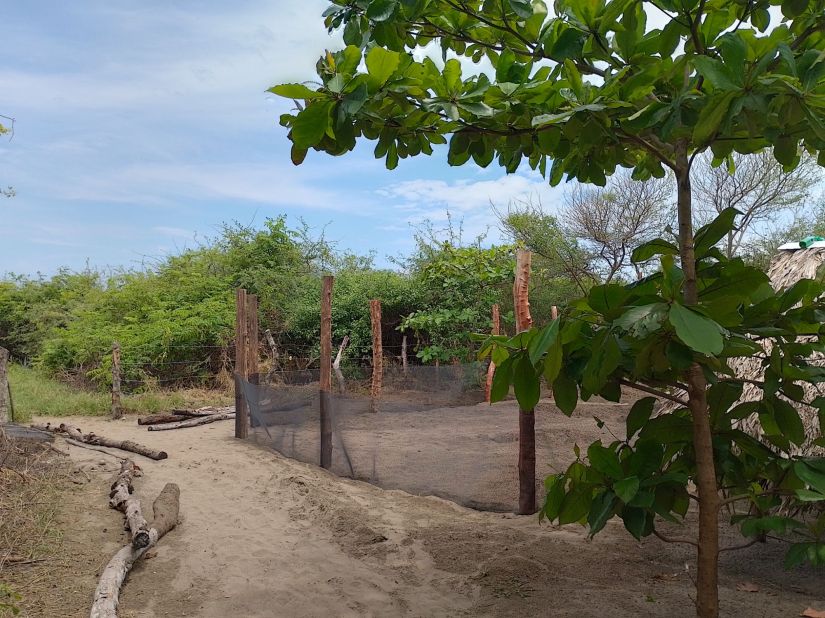
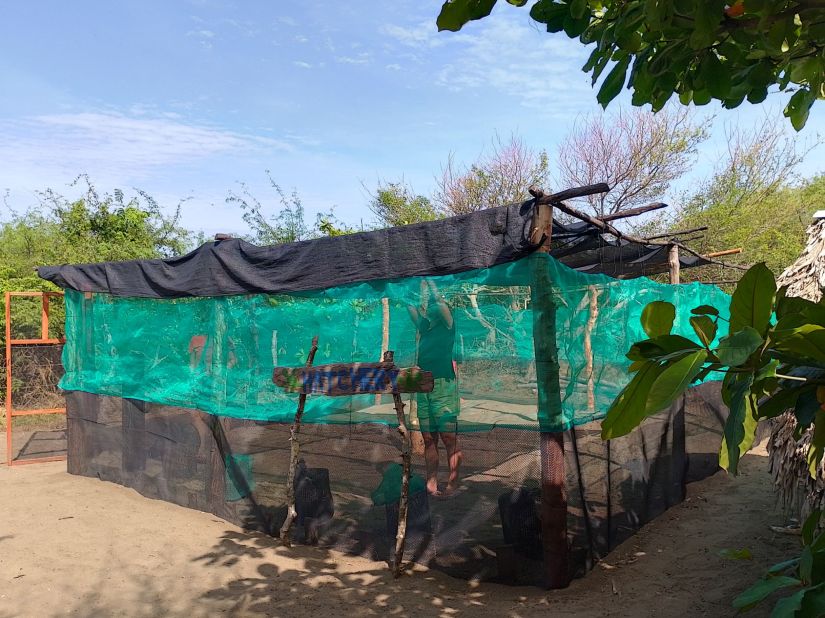
Once again it was time to expand our hatchery, even if it was just for a mere 2 metres. But we re-did the whole thing:
(1) We buried a black plastic fence around 40 cm deep all around the hatchery which is sturdier and more durable than the mesh,
(2) We renewed all the posts and even the wooden door as termites and rain had basically destroyed the former ones.

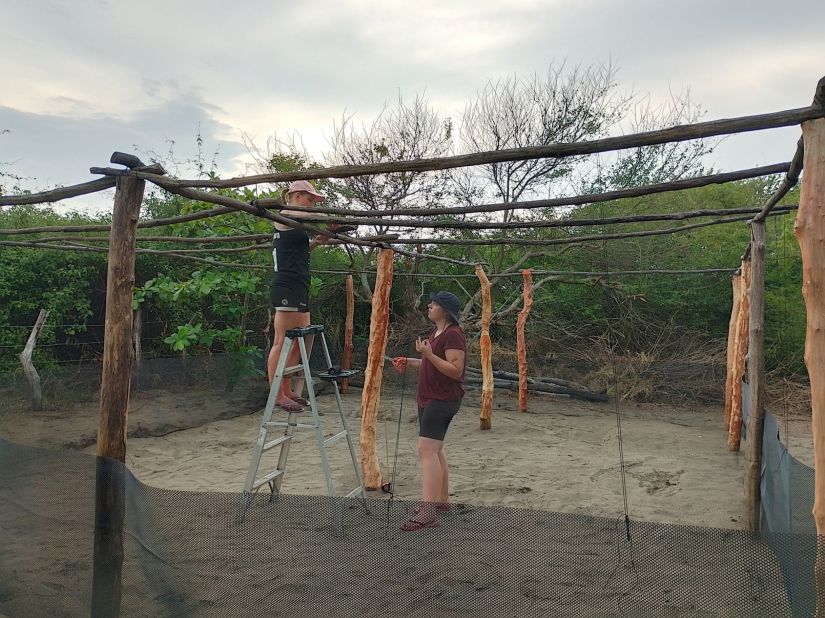
The new hatchery was built in mid July with the help of our first interns, Kim and Fiona from Luxembourg! These were our first guests ever from this small country and they were truly wonderful people who enjoyed themselves very much I think 🙂

Continue reading “Highlights, Mysteries & First Times – What happened in 2024”
Preparation & Construction

Close to the finish line

I know, I know… it’s been way too long since I wrote the last update. But here it is finally, covering everything that has happened between July and October:


A BEACH FULL OF TURTLES, AND EVEN FULLER OF PEOPLE

I don’t like to refer to those people as poachers, because poaching sounds like something really bad. And of course, those guys who take the nests from the beach are doing something bad – they are basically killing wildlife. But for most of them it is their only way to survive, the only source of income.
Familys here tend to have up to eight children. Mothers are busy with household chores while the men are trying to feed them all. But how do you manage to do that when there’s no work? We’re in a very remote place where cattle grazing, fishing and growing crops are the only opportunities. But not everyone has enough land, or a boat, to do so – and let’s just remember that these activities also create environmental problems.
So all they can do is take advantage of the natural resources that are readily available.
Of course the local families also eat some eggs themselves, but mostly they sell them to middlemen who then sell the eggs to the markets in the bigger cities. It’s a huge business.

One nest can be worth 20 US-Dollars. That’s a big amount of money in a country where people earn 10 Dollars for a whole day of hard work. So it’s quite tempting to go and look for turtle nests.

Continue reading “Close to the finish line”