Good to know

Conservation Internship Abroad: What to Know and Where to Go

If you’re studying biology, ecology, environmental sciences or even geography, you might want to consider doing an internship at a conservation initiative abroad. Whether it’s a voluntary internship that’s ought to benefit your personal development and career or a mandatory, academic internship that is needed to get ECTS points – a conservation internship abroad lets you contribute to real-world environmental protection, gain hands-on experience, and develop skills that are increasingly valued in many sustainability-related careers.

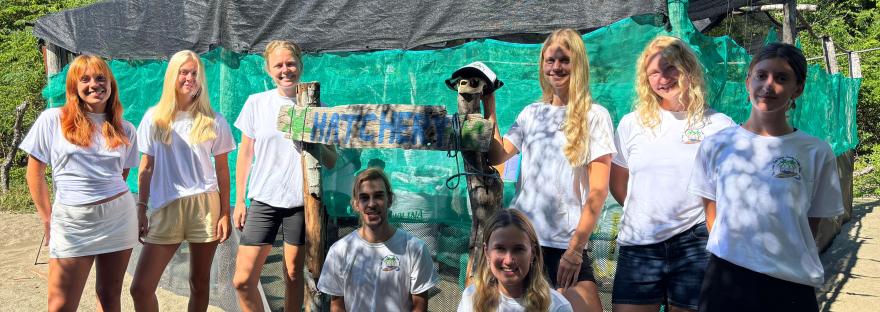
As I have been there and done that myself and am now running a center for sea turtle conservation in Nicaragua where interns are a highly valued asset, I know what the common fears, challenges and pitfalls are when choosing a reputable project.

This is why I wrote this guide which hopefully helps you decide whether a conservation internship abroad could be the right fit for you. Towards the end of my blog post, I will show you how to find a suitable project and where to look for offers worldwide.


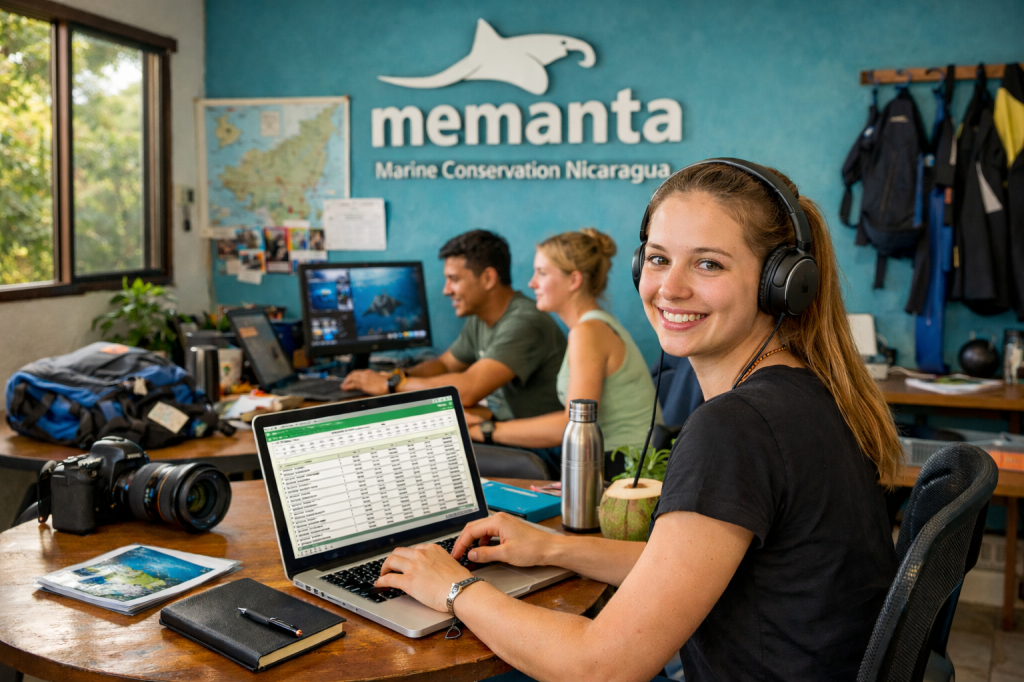
generated with AI

What involves a Conservation Internship Abroad?

A conservation internship abroad is a structured program offer by an environmental organization or a grassroots conservation project. It combines:

  • Practical conservation work (field research, species protection, habitat restoration)
  • Learning and training under experienced staff or researchers
  • Cultural immersion in another country
Continue reading “Conservation Internship Abroad: What to Know and Where to Go”
Good to know

7 things to consider before you volunteer with sea turtles

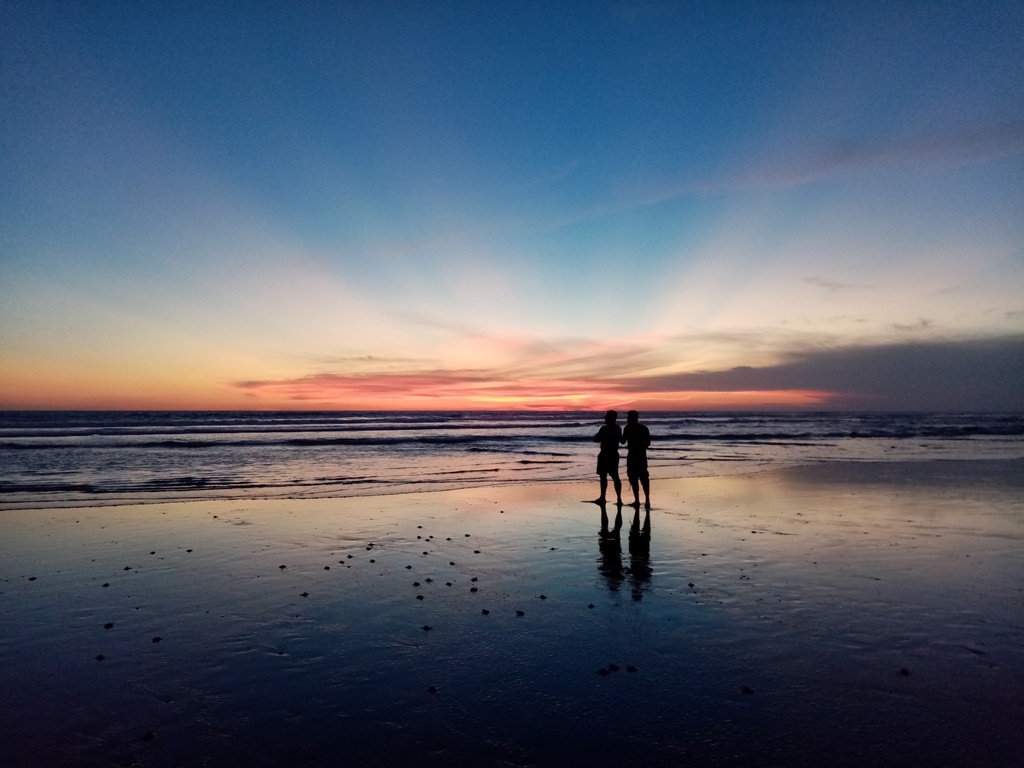
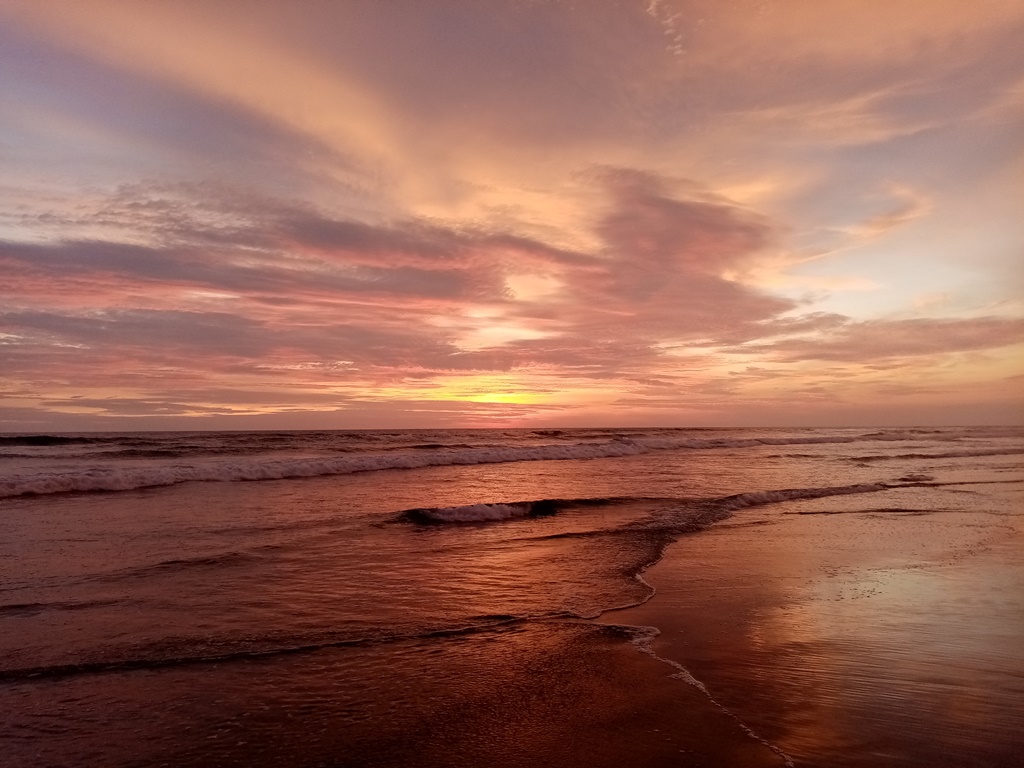
Releasing baby turtles at sunset on a heavenly beach with coconut palms and white sans is really fun. But the work with sea turtles involves a little bit more than just doing the picturesque, instagramable stuff.

Are you thinking about becoming a sea turtle volunteer or conservation intern abroad? Then check out this list with 7 things to consider before you book your trip!

1. Money

pay money for sea turtles

Be ready to invest some money when you want to volunteer with sea turtles!

The great majority of wildlife conservation projects have a pay-to-work model in place. Well, they call it “pay-to-work”, but it mostly is a “pay-to-live” model.
Because the providers – which are usually NGOs on a very tight budget – give volunteers a place to sleep and three meals a day plus drinks and water.
But that’s not all: Receiving volunteers requires staff to train, supervise and care for them, especially when the volunteers are no experts in their field but rather just learn new skills. And because wildlife projects are mostly off-the-grid, the providers also take care of their general well-being and leisure activities.

So you volunteer for free (that’s why it’s called volunteering and not working), but you pay for your housing, food, convenience and leisure.

Continue reading “7 things to consider before you volunteer with sea turtles”
Nearly full...
Turtle season

Magical moments on the beach

Hey… it’s been quite some time. But the good news is: It’s not that there hasn’t been anything to tell. I haven’t written for so long because I just couldn’t find the time and tranquility as we’ve been so overwhelmed by this years’ turtle season. Here are all the details:

The official MEMANTA hatchery is up

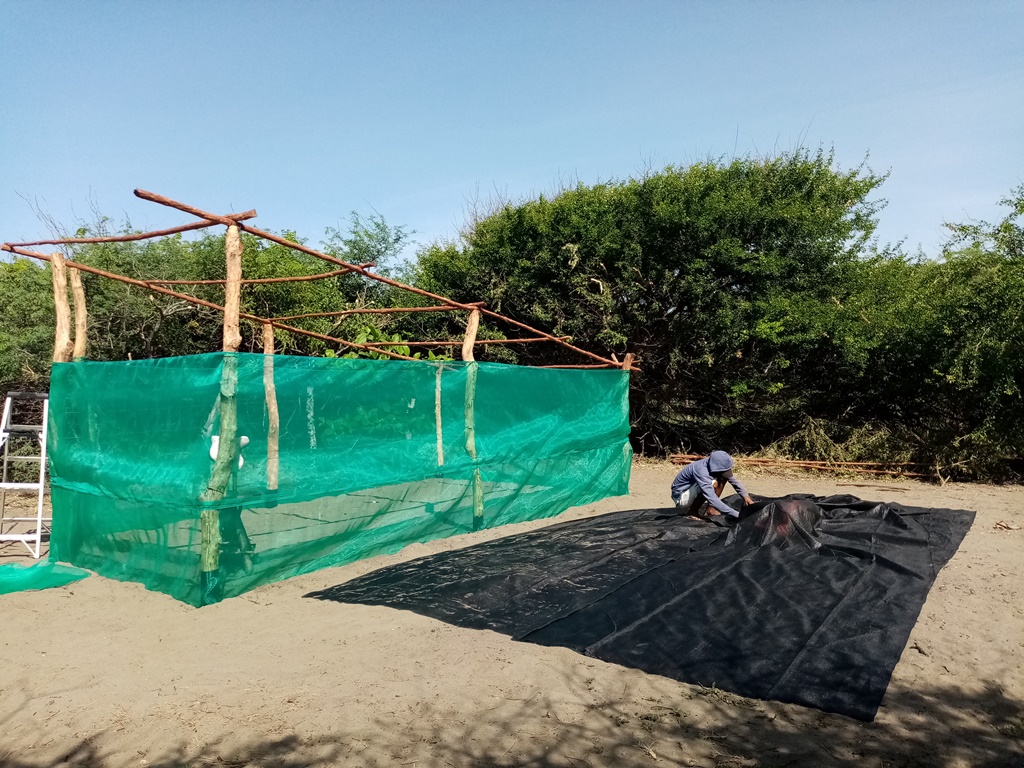
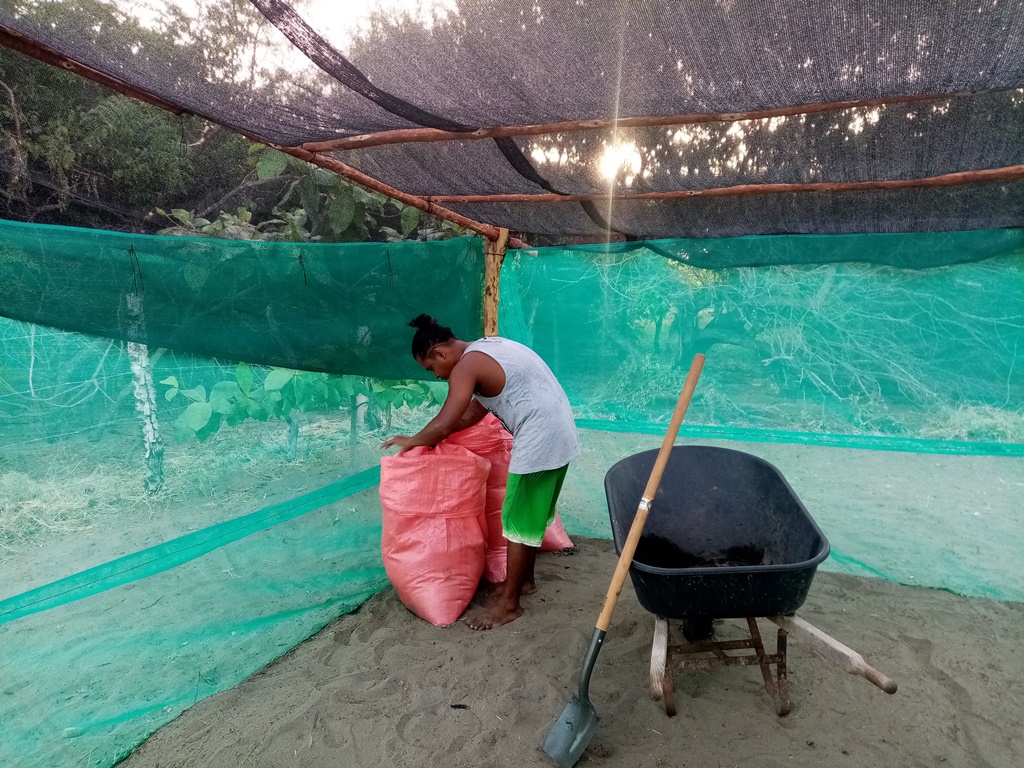
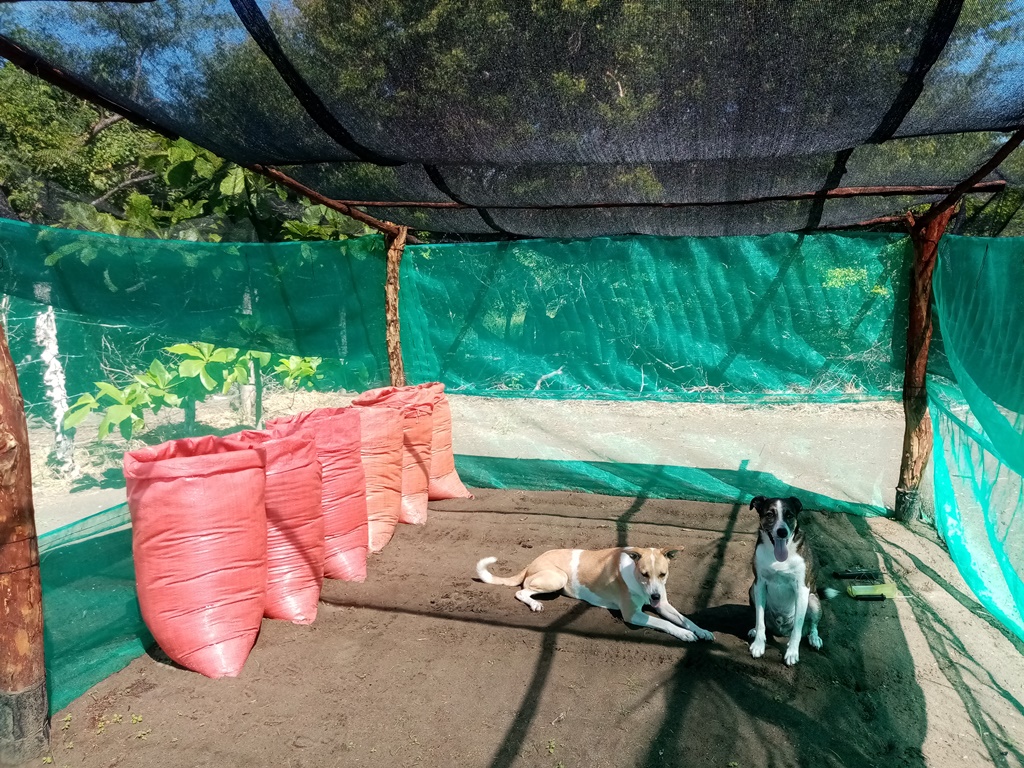
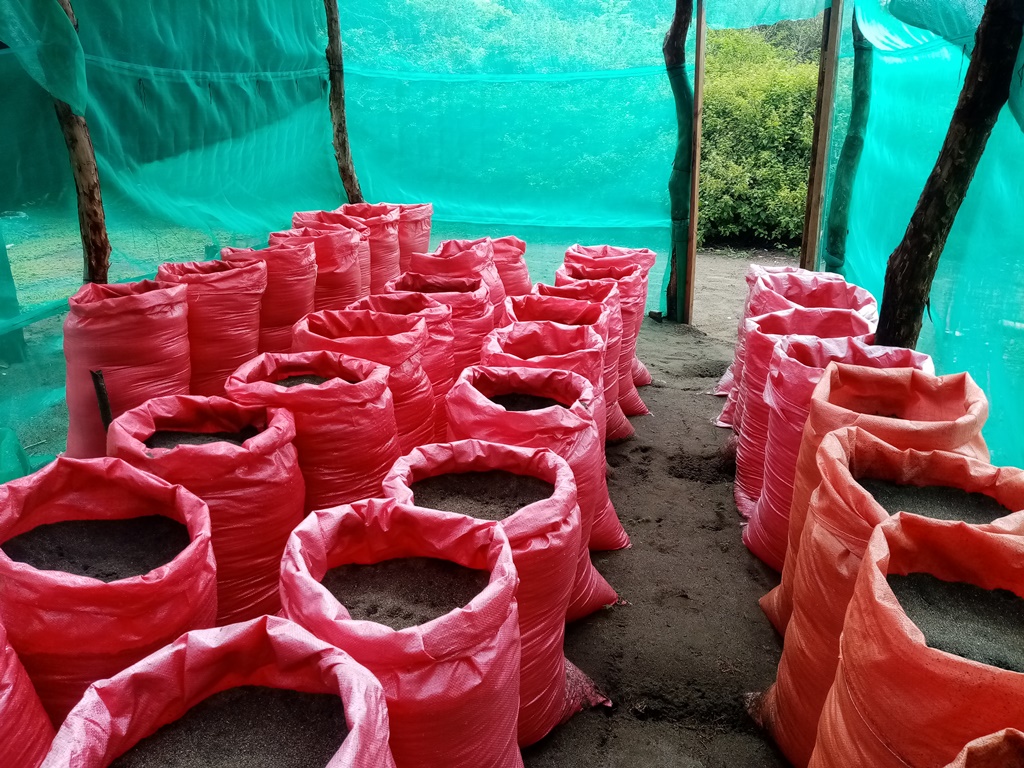
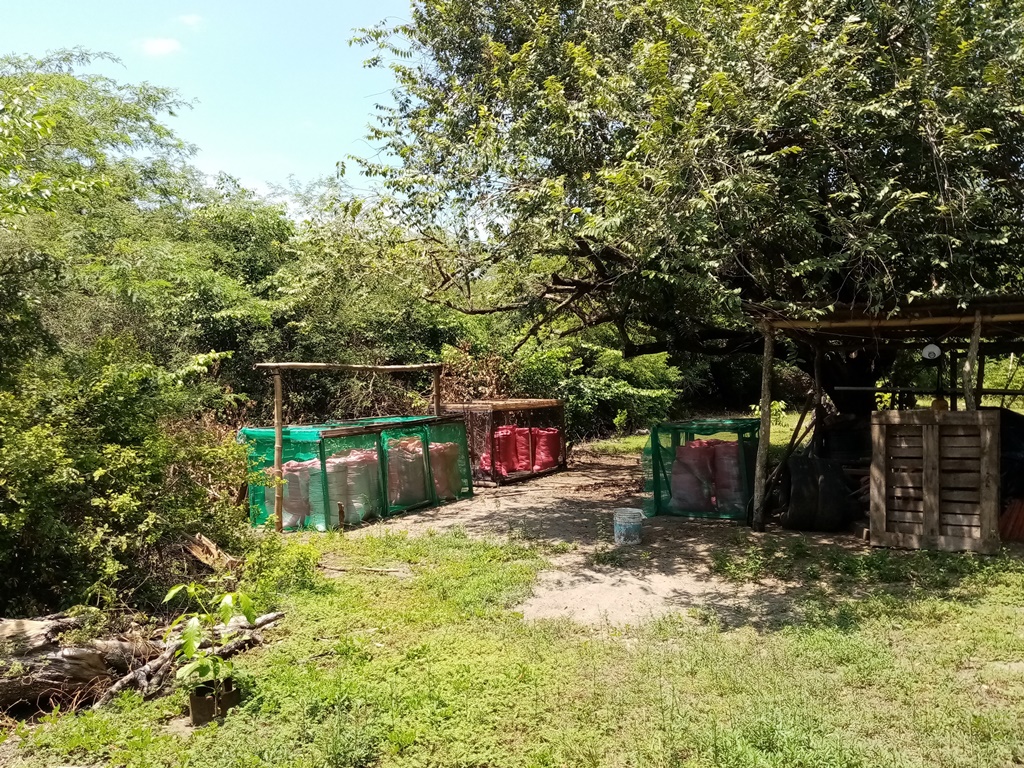
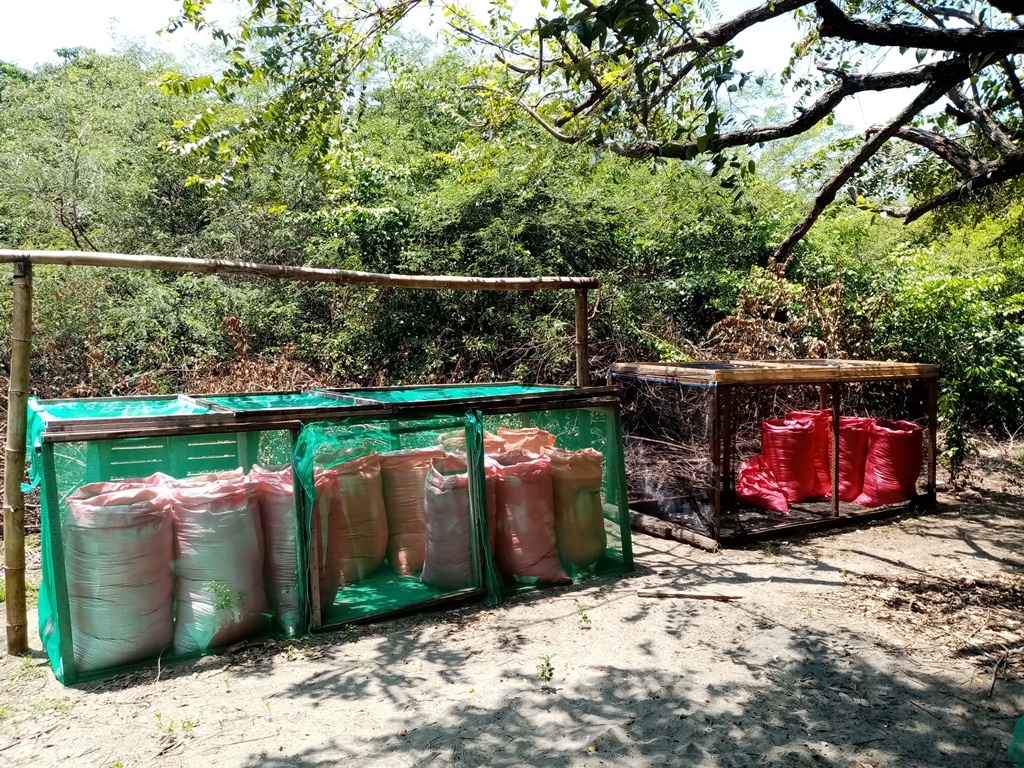
After two years working with a provisional hatchery that we had built close to our house, about 200 metres away from the beachfront, the time had finally come: We built a permanent, fully-closed hatchery closer to the beach that holds space for around 50 nests at a time. The hatchery is fully secured against human intruders and all kinds of animals. Also, it is shaded in order to secure favourable temperatures and avoid a female-biased sex ratio (climate change and stuff…).

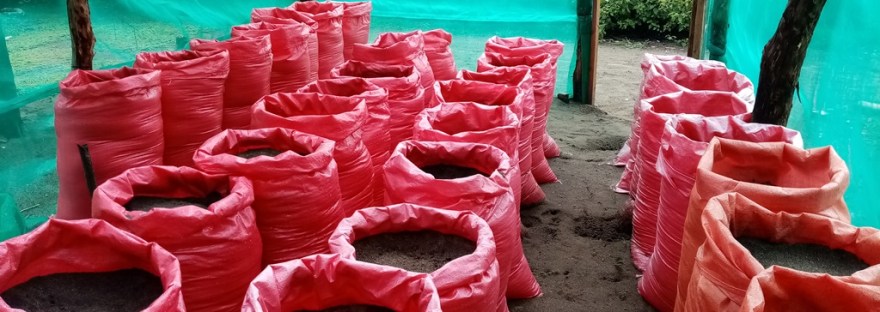
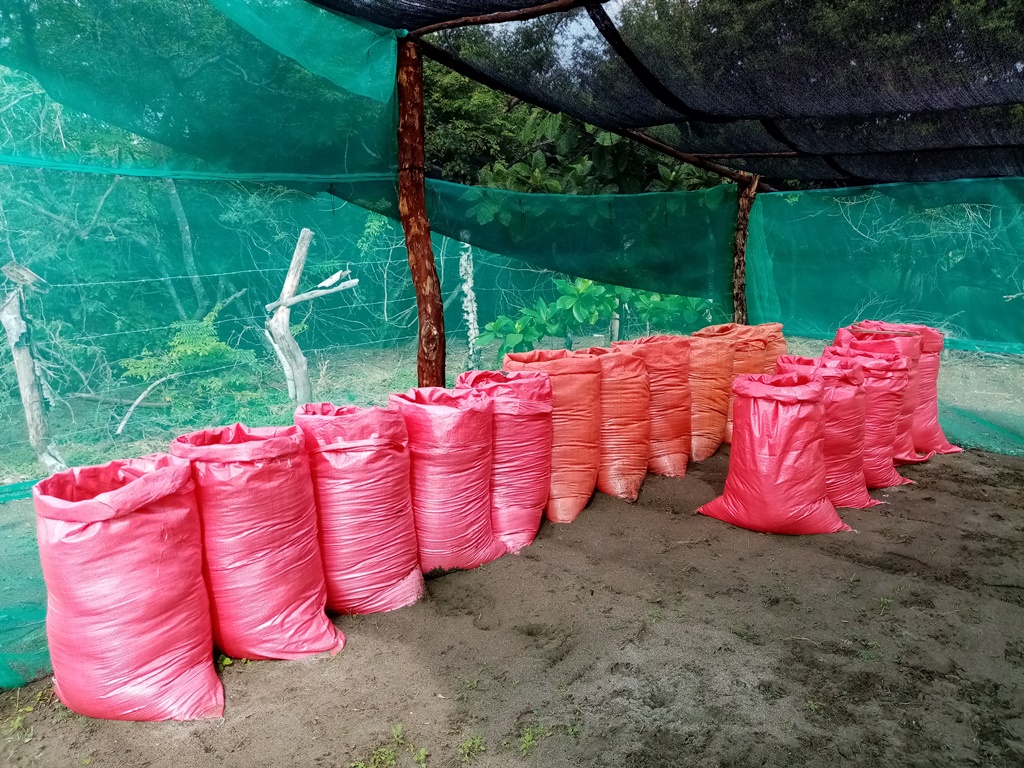
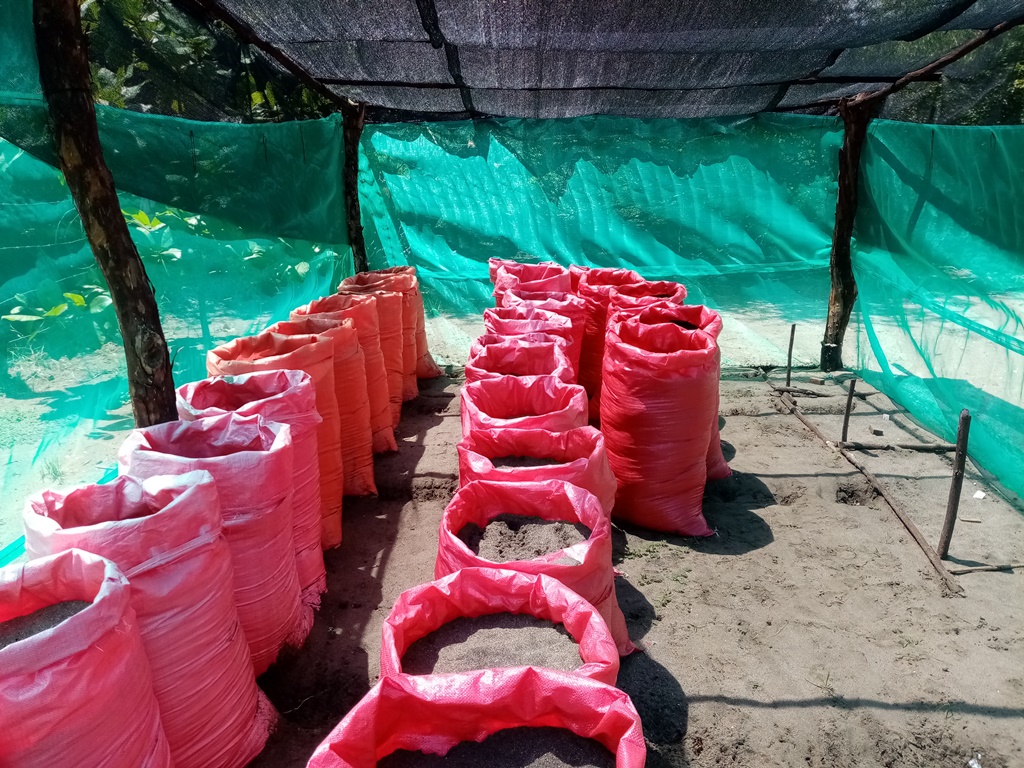
Unfortunately, the hatchery soon resulted too small. Especially in late September, our hatchery became super crowded as the older nests hadn’t hatched yet while more and more were coming in! Also, we had started putting some nests in the ground, as hatcheries “usually” do it. The thing is that in this case, you have to space out the nests more (the rule of thumb says 1m) so that bacteria etc. from one nest can’t spread to the others. With bag hatcheries, you don’t have that issue and can put the bags real close to each other.

We found that the hatching success is roughly the same for both methods, but bag hatcheries do create more waste and the nests take longer to hatch as they cool down quite a bit during the night. Next season, we would like to keep working with both methods – some nests we’ll put in our iconic red bags and some we’ll put in the ground.
Needless to say… we’ll then have to double the size of our hatchery!

Continue reading “Magical moments on the beach”
Turtle season

Happy lonely times

Timing couldn’t have been more unfortunate when a global crisis halted international travel for many months to come, just about when we were opening our doors.

But I’m not going to cry to you about the severe state we’re all in – I’m here to tell you all the good news that happened this year. Because despite the pandemic, things were going great for us at MEMANTA as we simply kept doing what we love the most.

We collaborated with more people and protected more nests:

This year we collaborated with four young men from the community who would fill our hatchery with nests that weren’t safe on the beach. Those guys are good friends with Melvin and work regularly for us, so there’s a lot of trust involved. They would come up to our house, wake us up in the middle of the night and help to rebury the eggs. However, we also received some nests from random people from the community, which made us especially happy because it shows that there are quite a few guys out there who want to support us.

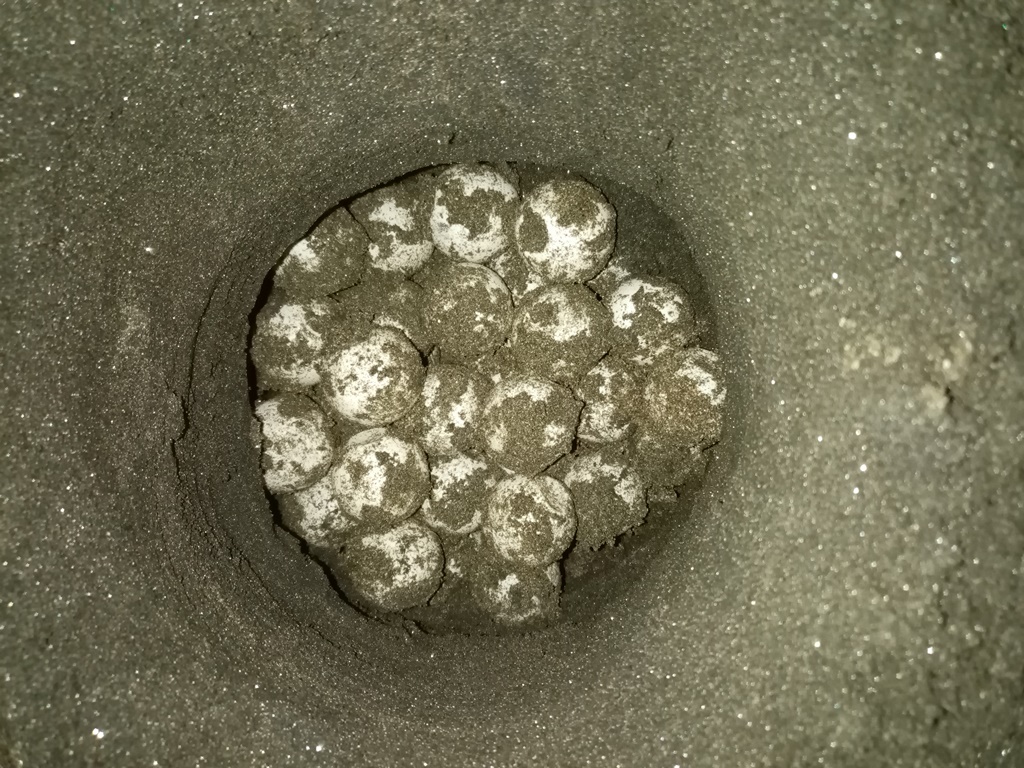
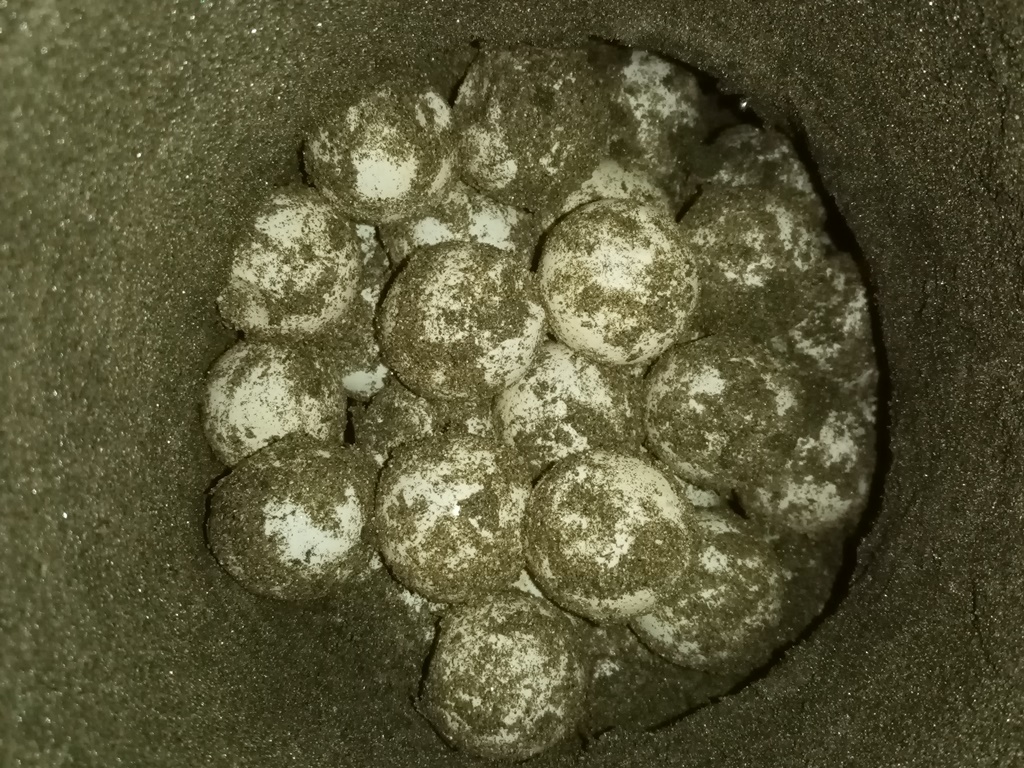
All in all, we were able to relocate 70 nests during the 2020/2021 season! That’s a total of 7040 eggs – mostly from the Olive Ridley turtle, but also from the Eastern Pacific Hawksbill turtle. It’s a huge increase from last year with only 22 nests.

Continue reading “Happy lonely times”
Preparation & Construction

Ain’t no time to take a break

We’ve got some eventful months behind us!

  • We released the last hatchlings into the sea and got a pretty good success rate
  • We’ve had our first visitors testing the camping area and leaving mesmerized
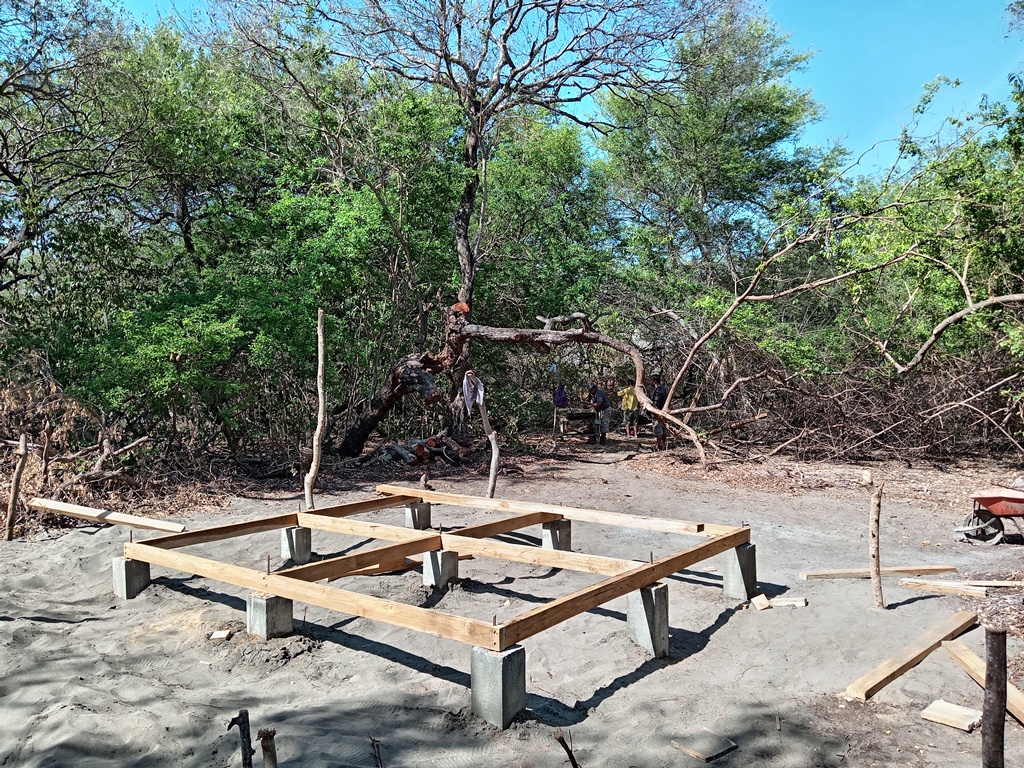
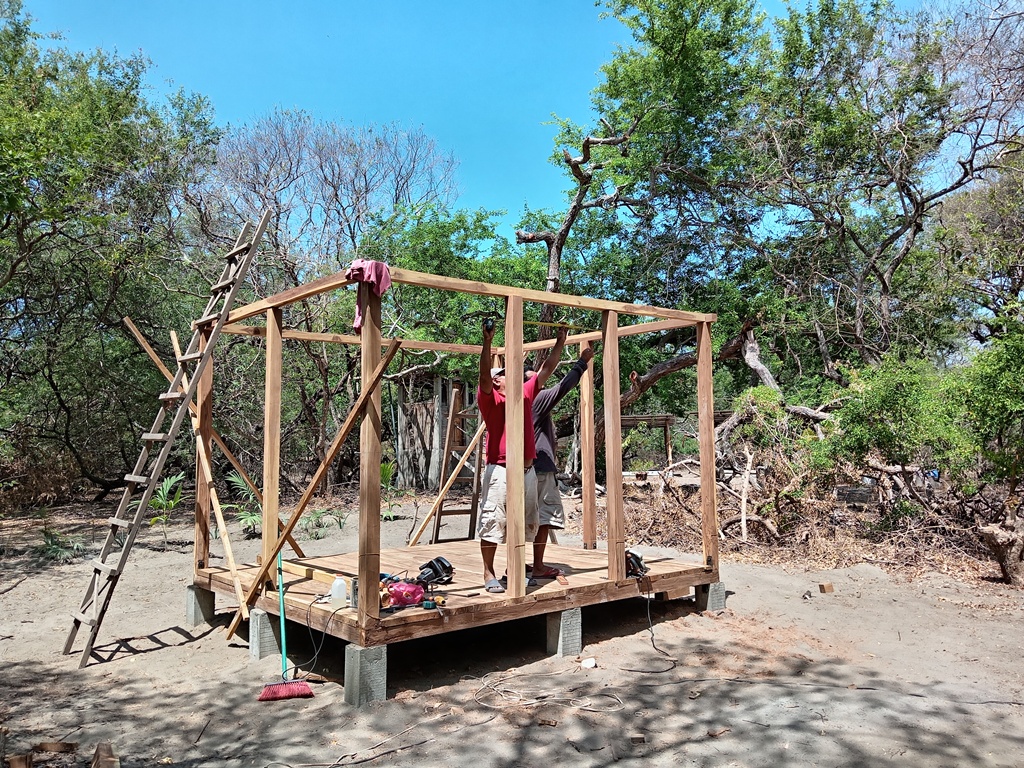
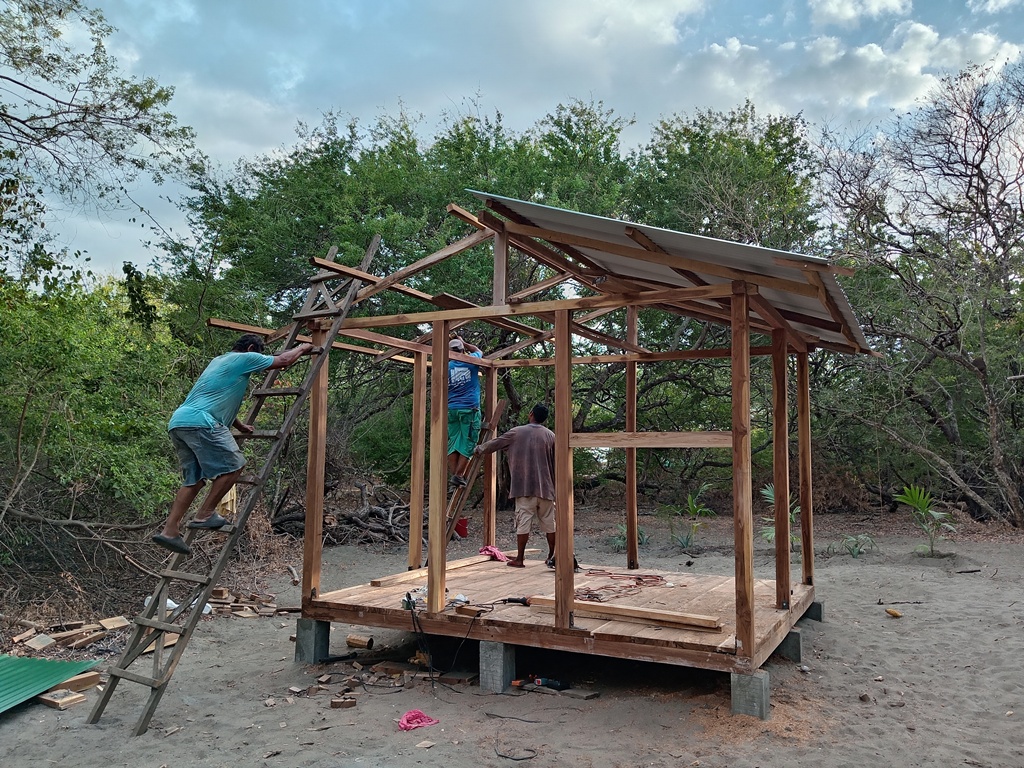
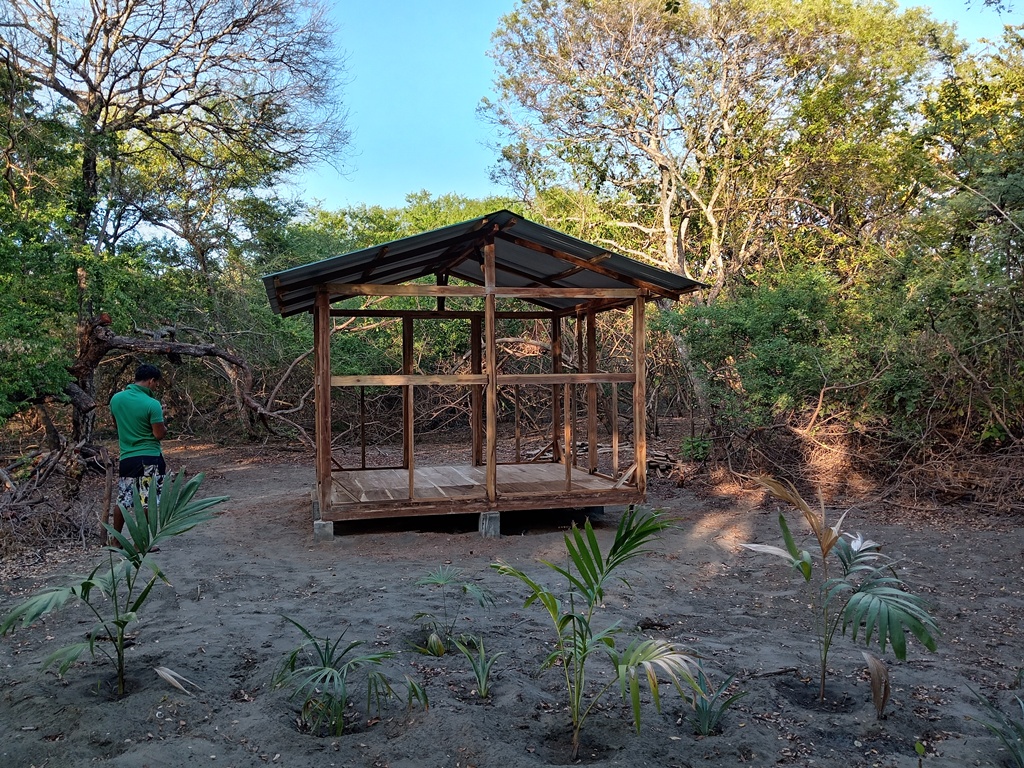
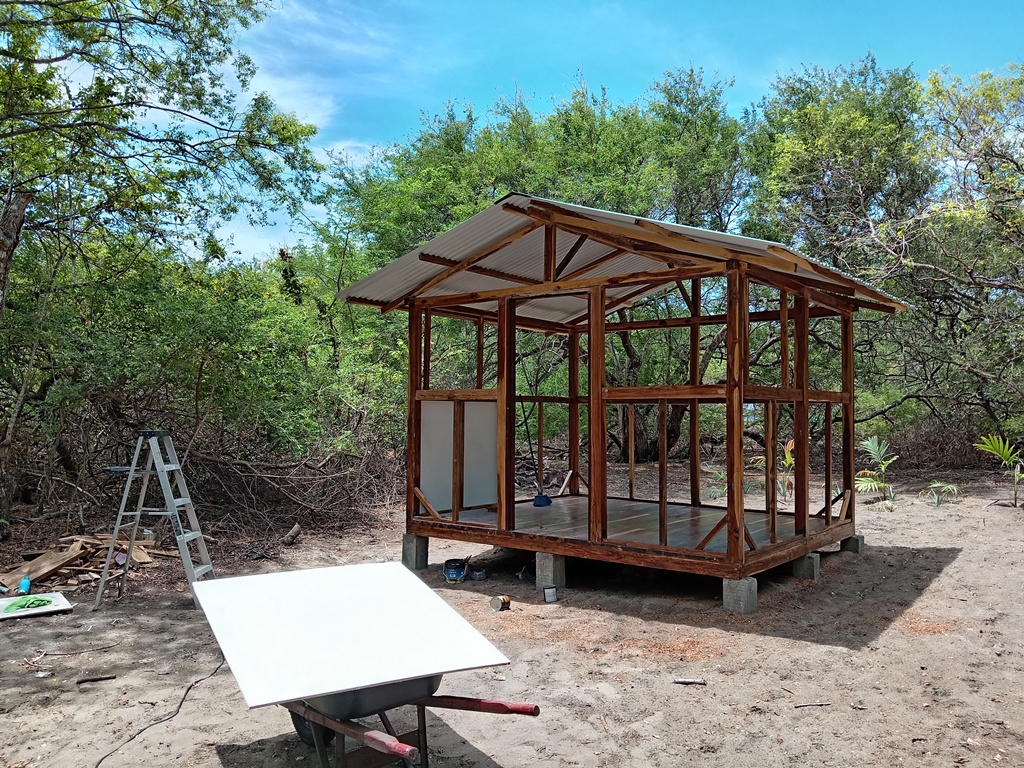
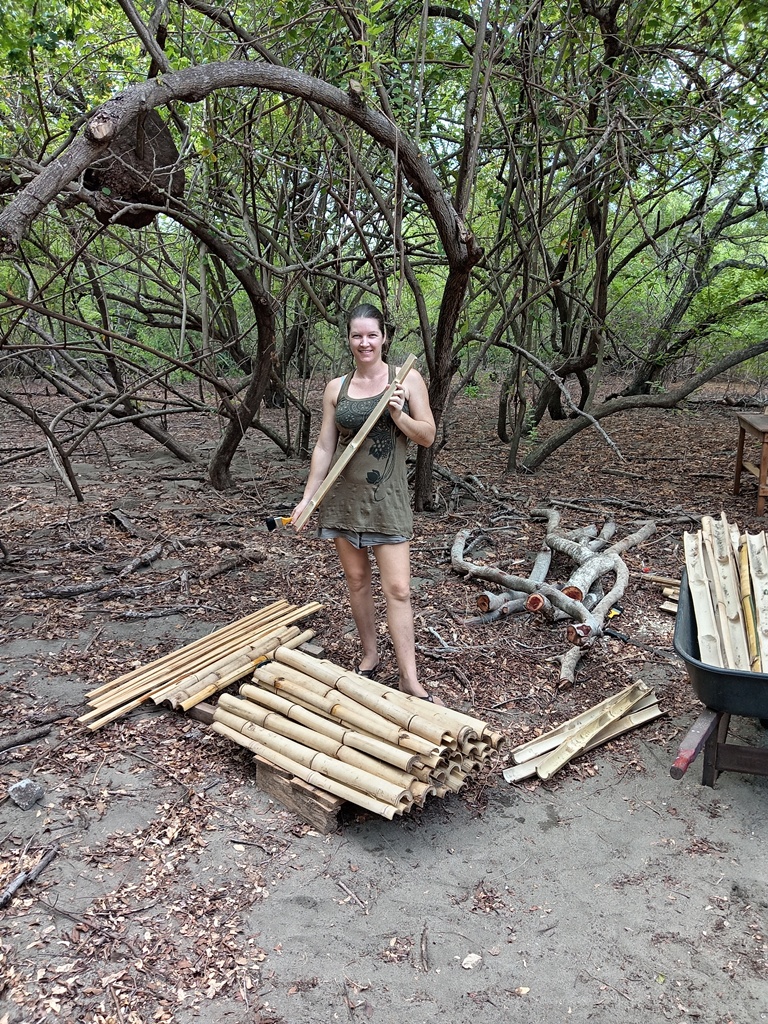
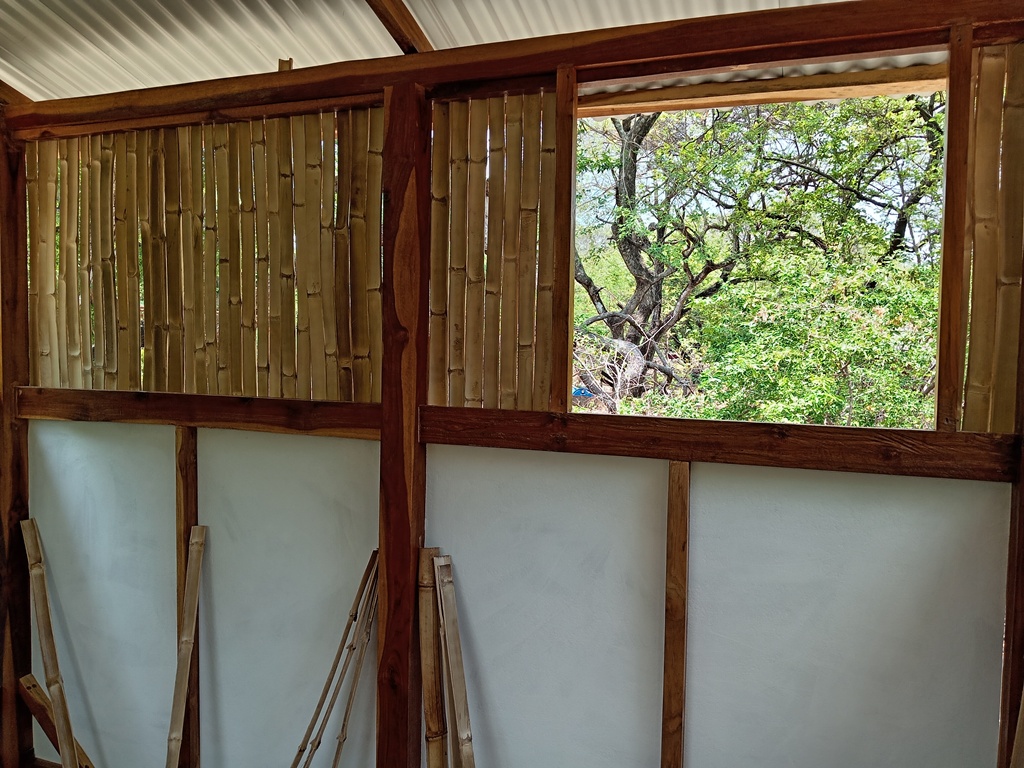
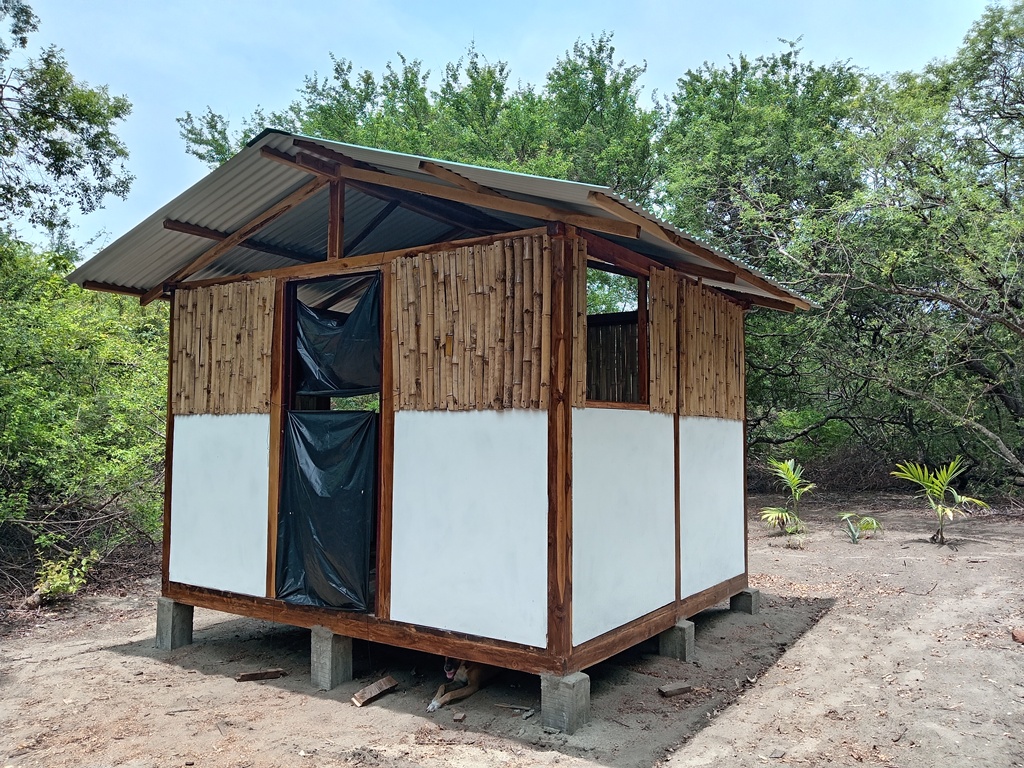
  • We started the construction of our volunteer cabin
  • We discovered some new destinations for future adventure trips
  • I received my permanent residency for Nicaragua

So here are all the details:


MEMANTAs first hatchery season is over

I think we can be very proud of our 84% hatching success, given that anything above 70% is considered good for a hatchery and anything above 90% is rarely seen (but of course not impossible).
Even under natural conditions, IF the nests remain totally undisturbed by humans or predators, the success rates can result quite low – this can be due to varying factors like
the health of the mother turtle, unfavourable temperatures, weather extremes, inundation and erosion etc.
Given the fact that all nests on our beach get poached, it is totally necessary to transfer them into an enclosed hatchery. And even when it seems that we failed sometimes – our first nest had only a 50% success rate and another one had a very high hatchling mortality – we can be happy about every single turtle that made its way to the sea.
I don’t think I exaggerate if I say:
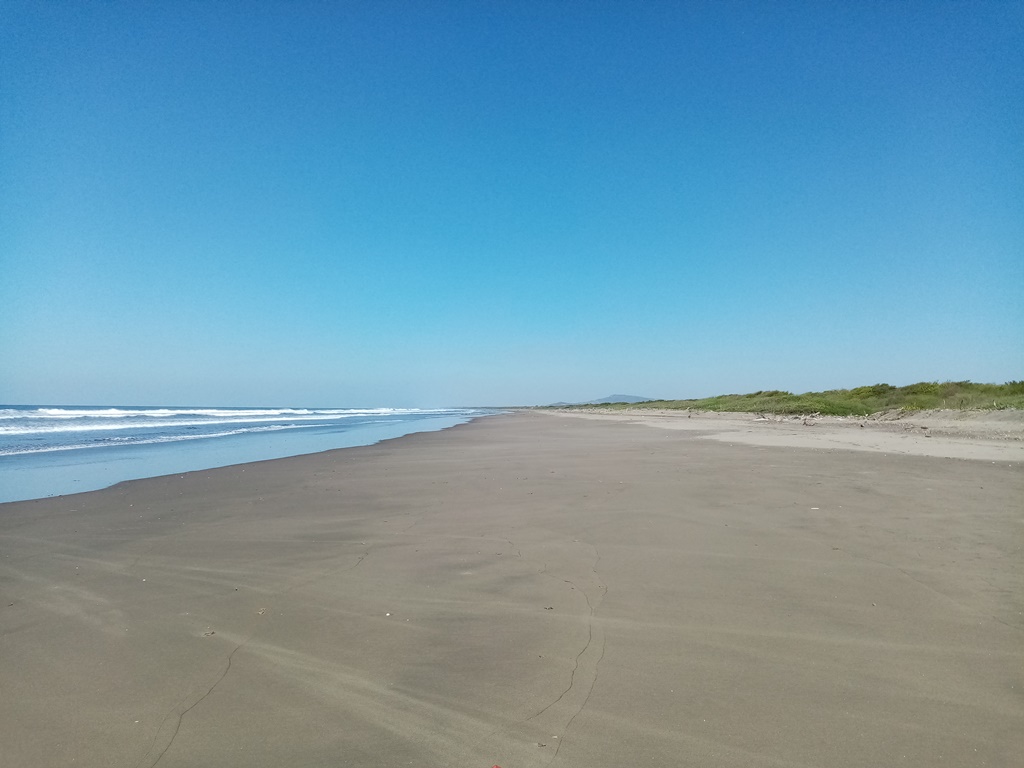
Playa Venecia has seen its first baby turtles in decades!

Continue reading “Ain’t no time to take a break”