Good to know

Conservation Internship Abroad: What to Know and Where to Go

If you’re studying biology, ecology, environmental sciences or even geography, you might want to consider doing an internship at a conservation initiative abroad. Whether it’s a voluntary internship that’s ought to benefit your personal development and career or a mandatory, academic internship that is needed to get ECTS points – a conservation internship abroad lets you contribute to real-world environmental protection, gain hands-on experience, and develop skills that are increasingly valued in many sustainability-related careers.

As I have been there and done that myself and am now running a center for sea turtle conservation in Nicaragua where interns are a highly valued asset, I know what the common fears, challenges and pitfalls are when choosing a reputable project.

This is why I wrote this guide which hopefully helps you decide whether a conservation internship abroad could be the right fit for you. Towards the end of my blog post, I will show you how to find a suitable project and where to look for offers worldwide.
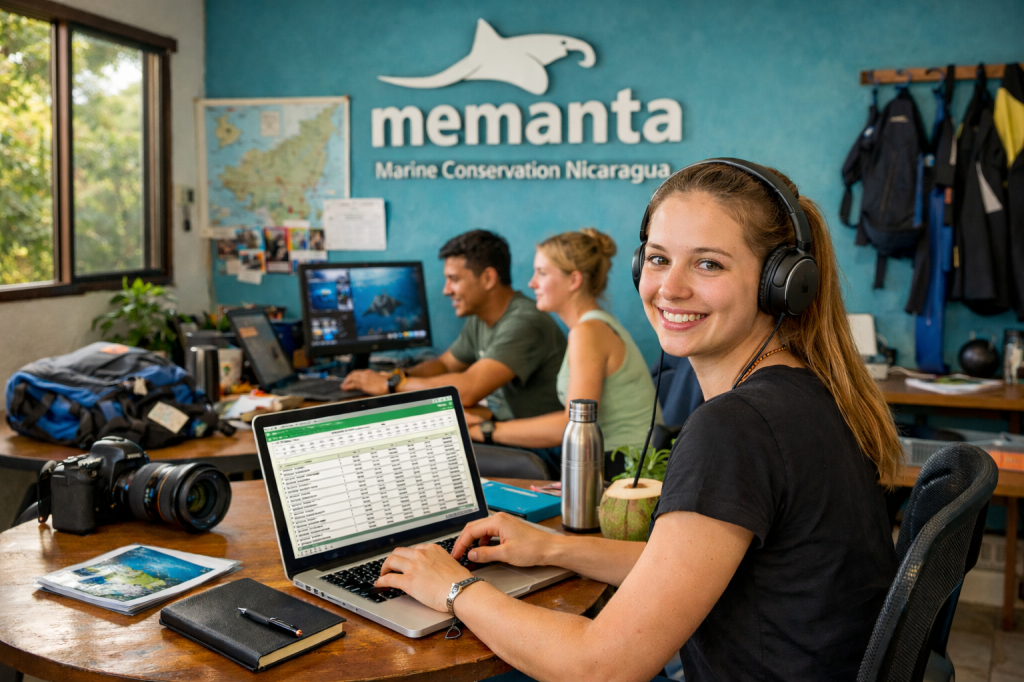

generated with AI

What involves a Conservation Internship Abroad?

A conservation internship abroad is a structured program offer by an environmental organization or a grassroots conservation project. It combines:

  • Practical conservation work (field research, species protection, habitat restoration)
  • Learning and training under experienced staff or researchers
  • Cultural immersion in another country

Continue reading “Conservation Internship Abroad: What to Know and Where to Go”
Good to know

7 things to consider before you volunteer with sea turtles

Releasing baby turtles at sunset on a heavenly beach with coconut palms and white sans is really fun. But the work with sea turtles involves a little bit more than just doing the picturesque, instagramable stuff.

Are you thinking about becoming a sea turtle volunteer or conservation intern abroad? Then check out this list with 7 things to consider before you book your trip!

1. Money

pay money for sea turtles

Be ready to invest some money when you want to volunteer with sea turtles!

The great majority of wildlife conservation projects have a pay-to-work model in place. Well, they call it “pay-to-work”, but it mostly is a “pay-to-live” model.
Because the providers – which are usually NGOs on a very tight budget – give volunteers a place to sleep and three meals a day plus drinks and water.
But that’s not all: Receiving volunteers requires staff to train, supervise and care for them, especially when the volunteers are no experts in their field but rather just learn new skills. And because wildlife projects are mostly off-the-grid, the providers also take care of their general well-being and leisure activities.

So you volunteer for free (that’s why it’s called volunteering and not working), but you pay for your housing, food, convenience and leisure.

Continue reading “7 things to consider before you volunteer with sea turtles”