
If you’re studying biology, ecology, environmental sciences or even geography, you might want to consider doing an internship at a conservation initiative abroad. Whether it’s a voluntary internship that’s ought to benefit your personal development and career or a mandatory, academic internship that is needed to get ECTS points – a conservation internship abroad lets you contribute to real-world environmental protection, gain hands-on experience, and develop skills that are increasingly valued in many sustainability-related careers.
As I have been there and done that myself and am now running a center for sea turtle conservation in Nicaragua where interns are a highly valued asset, I know what the common fears, challenges and pitfalls are when choosing a reputable project.
This is why I wrote this guide which hopefully helps you decide whether a conservation internship abroad could be the right fit for you. Towards the end of my blog post, I will show you how to find a suitable project and where to look for offers worldwide.
What involves a Conservation Internship Abroad?
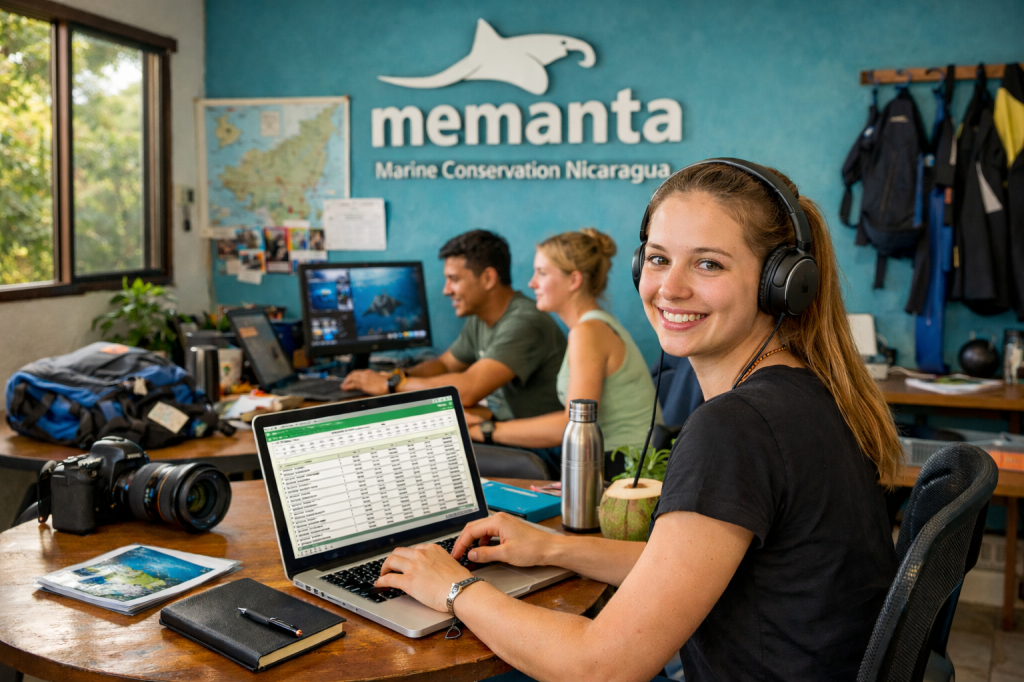
A conservation internship abroad is a structured program offer by an environmental organization or a grassroots conservation project. It combines:
- Practical conservation work (field research, species protection, habitat restoration)
- Learning and training under experienced staff or researchers
- Cultural immersion in another country
Unlike short-term volunteering, internships usually involve:
- A defined learning framework for gaining knowledge and developing skills
- Longer stays (typically 1 to 5 months)
- Clear responsibilities and higher workload
- Documentation or references which prove useful for future careers
| At MEMANTA, we offer both volunteering and internship programs. Our interns generally take on more responsibility, carry out tasks or projects on their own, are more actively engaged in our data management and get thoroughly trained so they can lead scheduled activities. Our volunteers usually assist the interns in their daily tasks, take on some fun projects and have more free time, so the stay feels mostly like a holiday. |
Who Are Conservation Internships For?
Internships in conservation are suitable for:
- University students (biology, environmental science, geography and related fields)
- Recent graduates seeking work experience
- Career changers exploring conservation work
- Adults taking a sabbatical
- Gap-year travelers looking for purposeful stays
Internships may or may not be limited to enrolled students, depending on the organization. Some are exclusively available to experienced individuals that have participated in similar projects before, or are former volunteers of that same organization. In most cases, however, internships are open to everyone who wants to deepen their skills and enhance their CV.
Which means that usually, you do not need prior experience or a certain knowledge base, as many projects are targeted at entry-level interns and provide the necessary training. What matters most is motivation, reliability, and respect for local communities and ecosystems.
About mandatory academic internships
Most natural science students need to do an internship and write a report to get a certain amount of ECTS points. If that’s the case for you, you should review if there are any specific requirements for your degree and in case you have doubts, you should check back with your student counselor. The receiving organizations can fill out any necessary documentation and give the intern a certificate or a letter of recommendation upon completion.
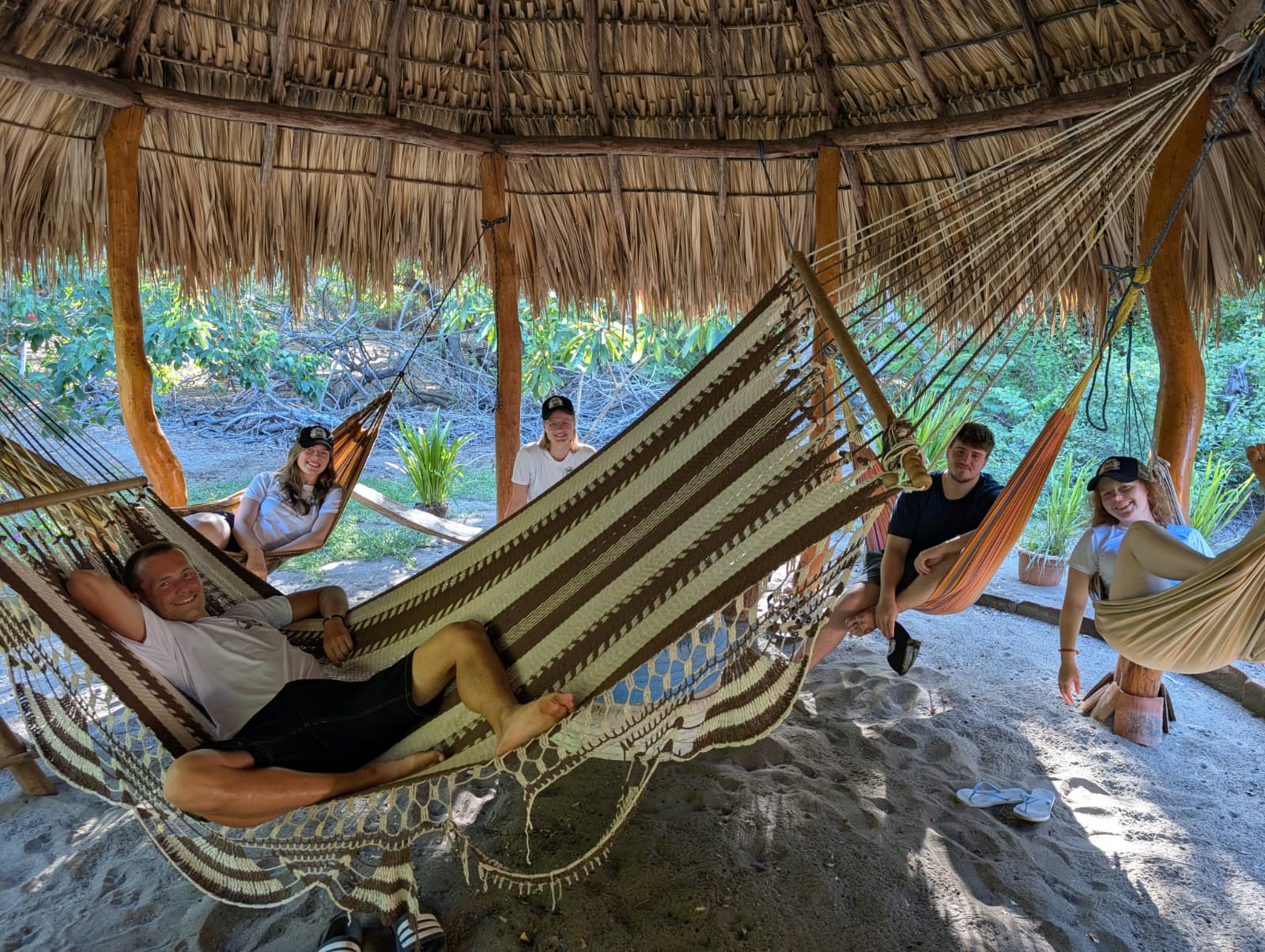
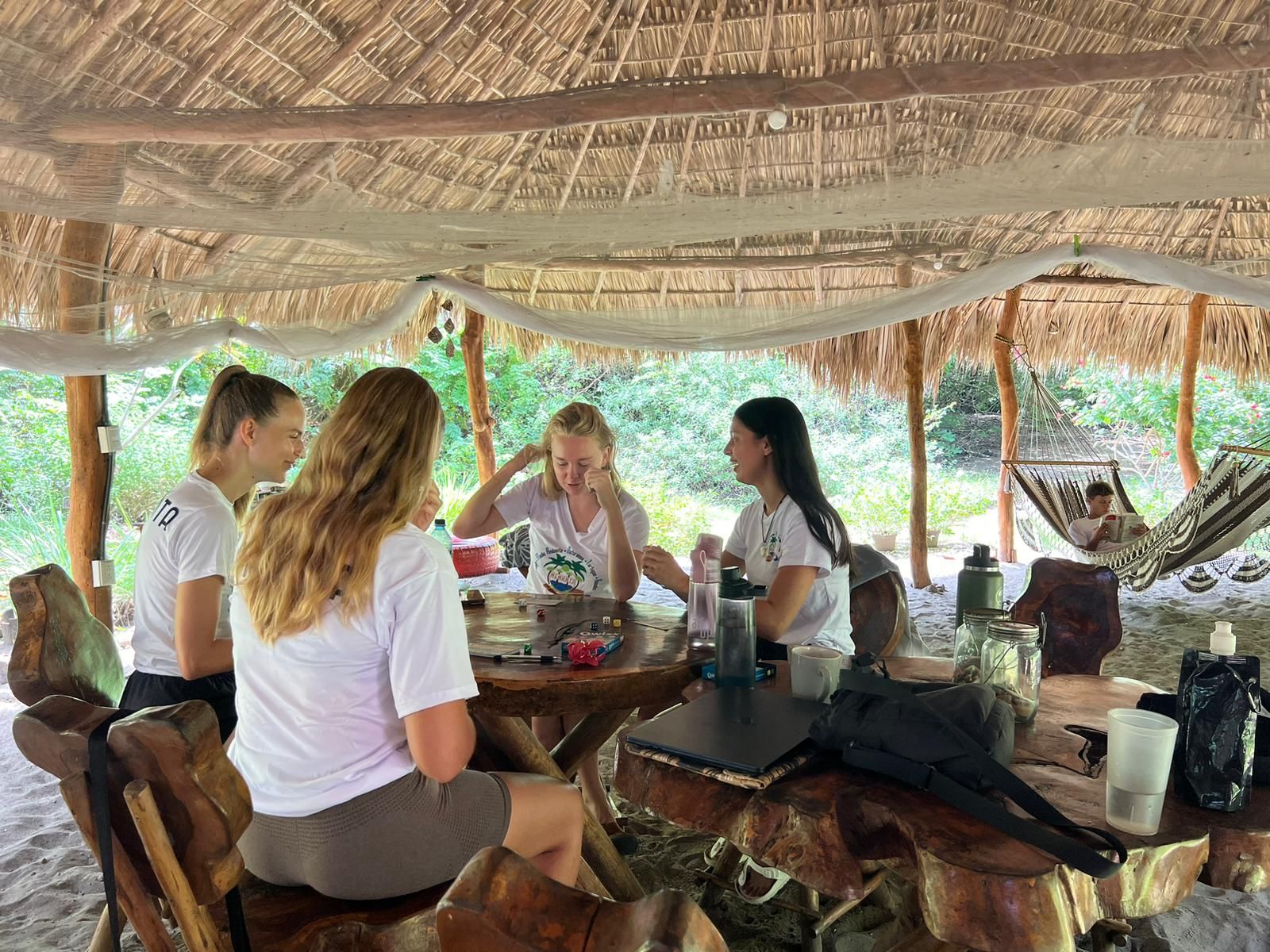
| At MEMANTA, we welcome people of all backgrounds to join our internship program. Usually, our interns are biology or geography students, but we have also had students from other fields that successfully completed their internship, like agricultural studies, linguistic / translation studies, social sciences, and others. |
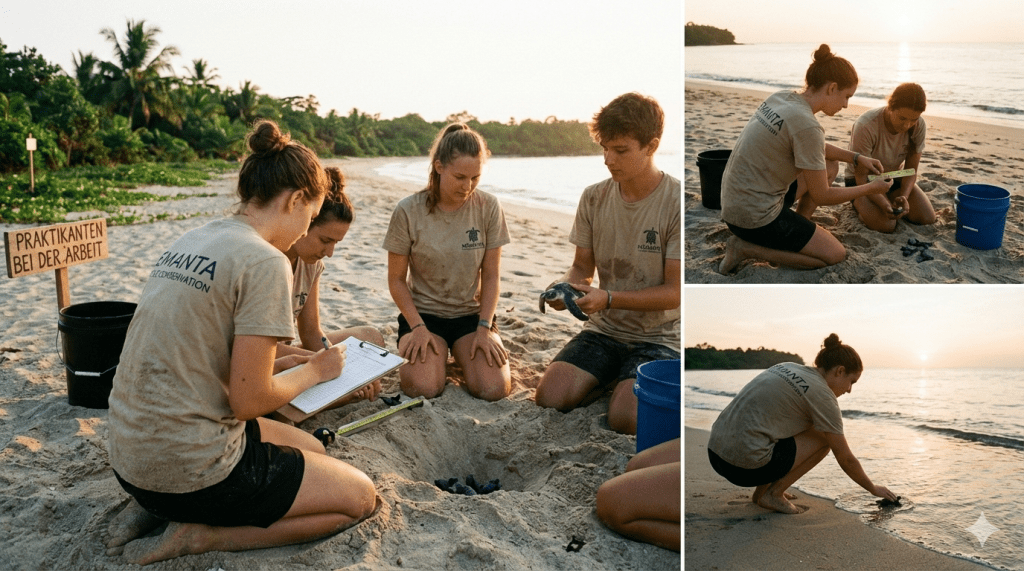
What Kind of Work Will You Do?
The exact tasks depend on the project, the thematic focus and the location, but common responsibilities include:
🐯 Wildlife Conservation
- Species monitoring and population counts
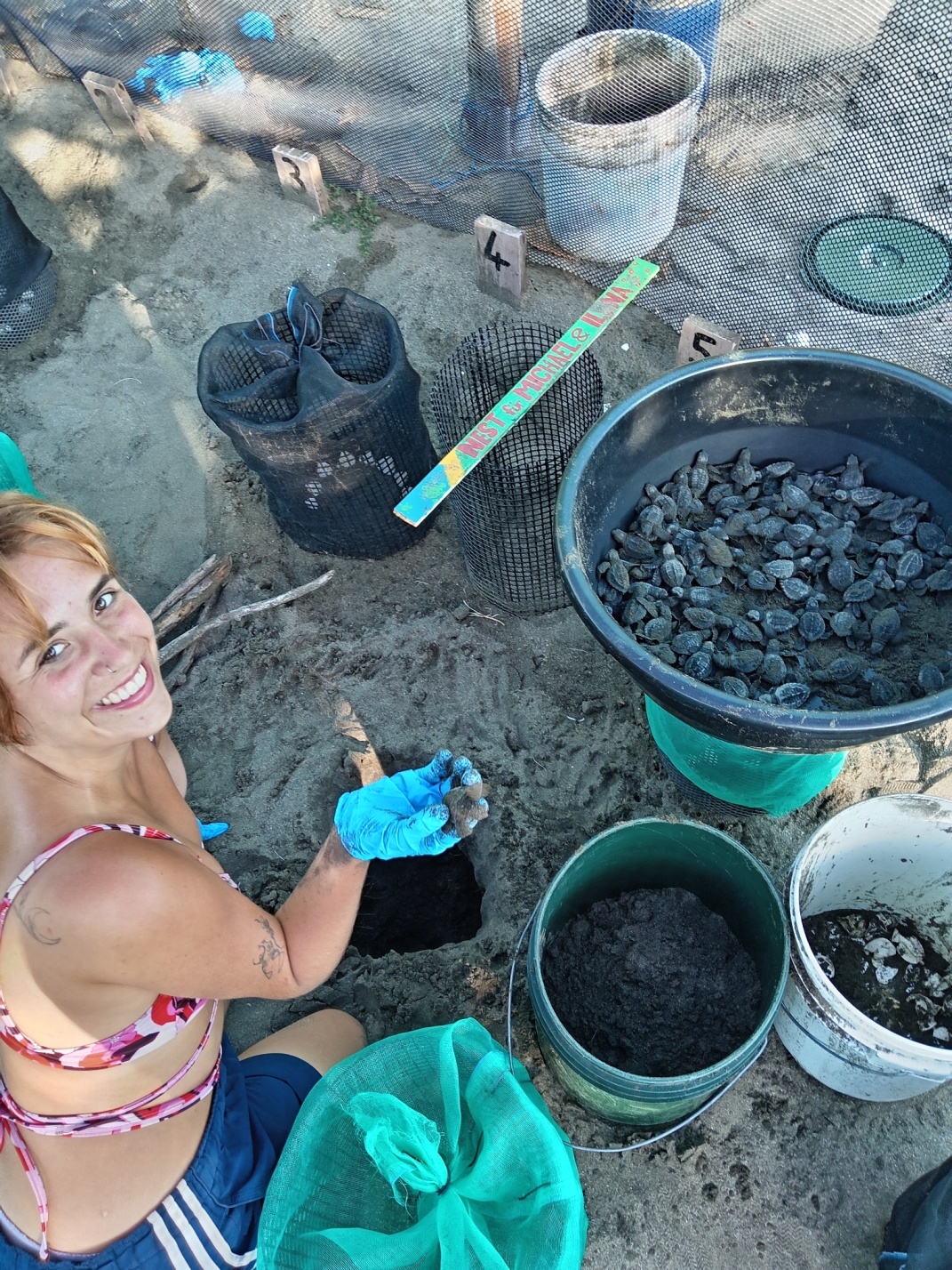
- Nest protection and hatchling releases
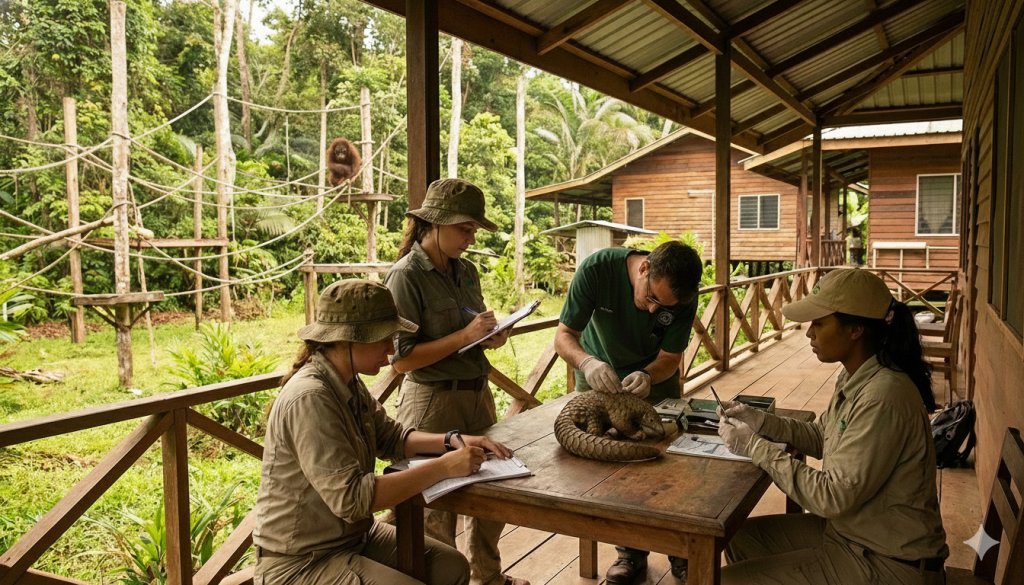
- Species rehabilitation
- Anti-Poaching-Patrols
🌿 Habitat protection
- Habitat surveys
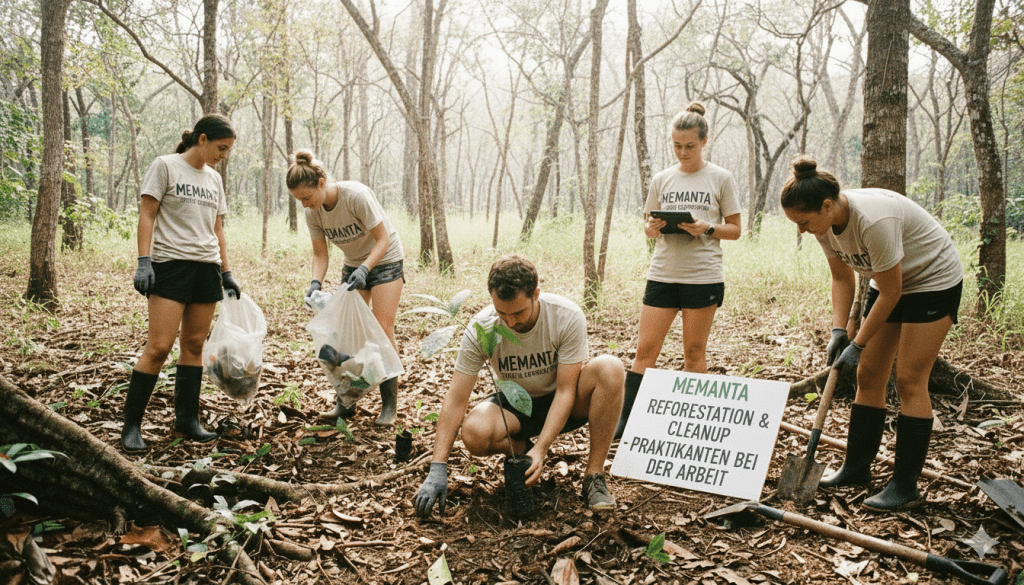
- Reforestation and Ecosystem Restoration
- Beach, river or forest clean-ups
- Sustainable resource use
📊 Research & Data
- DNA samples and other biological data
- GPS mapping
- Assisting ongoing research studies
- Statistics and reportings
🏝️ Community Work
- Waste and Water management
- Environmental education
- Involvement of local stakeholders
- Supporting local initiatives and businesses
📸 Outreach (in some programs)
- Photography and social media
- Writing reports or blog content
- Supporting awareness campaigns
Usually, the work is a rewarding mix of hands-on field work (aka “getting your hands dirty”), scientific work and critical / creative thinking.
What Skills Can You Gain?
A well-run conservation internship helps you build both hard and soft skills, such as:
- Field research methods
- Data collection and analysis
- Species identification, animal handling
- Resource management techniques
- Teamwork and independence
- Intercultural competence
- Problem-solving, adaptability and resilience
Be aware that many conservation projects take place in remote environments with bad infrastructure and a lack of modern amenities. You will most probably need a adapt to a simple, slowed-down, disconnected, off-the-grid lifestyle – which is feared by some, but longed for by many who are on their path to reflection and self-discovery.
Who Offers Environmental Internships?
Conservation internships abroad are offered by a wide range of organizations. Understanding who runs a project and what area it focuses on is crucial for choosing an internship that aligns with your values, learning goals, and expectations.
Below is an overview of the most common types of organizations for your environmental internship in a foreign country.
🏛️ Government & Public Institutions
National Parks, National Reserves and other Protected Areas, Environmental Ministries
Typical focus: Management of Protected Areas, Wildlife Monitoring, Environmental Restoration, Policy Support, Outreach, Data Collection
| Pros | Cons |
| High credibility for your CV | Can be difficult to obtain: Limited spots and competitive application process |
| Strong scientific and regulatory frameworks | Require an academic background, certain experience or language skills |
| Support long-term conservation goals through effective measures | Could be office positions giving you not much field experience |
| Paid positions might be available |
🌍 Non-Profit Organizations
Wildlife NGOs, Environmental Foundations, Conservation Charities
Typical focus: Species Protection, Reforestation, Cleanups, Research and Monitoring, Community Education and Advocacy
| Pros | Cons |
| Mission-driven work with great diversity of tasks | Usually rely on fees to be able to offer such a position |
| Often well-structured internship programs | Impact and quality can vary widely |
| Good references for future careers | Varying amount of work with changing schedules |
| Direct contribution (physically and financially) to conservation work | Living conditions may be basic |
🌱 Private Conservation Initiatives
Locally run Conservation Projects, Private Reserves, Rescue Centers, Grassroots Initiatives
Typical focus: Hands-on Fieldwork, Species or Habitat Protection on a local scale, Community-based Conservation
| Pros | Cons |
| Very practical and hands-on experience | Less formal academic structure |
| Small teams = more responsibility | Living conditions may be challenging |
| Strong connection to local communities and full cultural immersion | Usually rely on fees to be able to offer such a position |
| Possible to bring in own ideas and have a lasting impact | Varying amount of work with changing schedules |
🏢 Local Businesses with a Conservation Focus
Eco Lodges, sustainable Tourism Operators, Voluntourism Projects, innovative Conservation Enterprises
Typical focus: Conservation through Tourism (and Voluntourism), Environmental Education, Sustainable Use of Ecosystems and Resources
| Pros | Cons |
| Insight into conservation-based business models | Conservation impact depends on business ethics |
| Good for eco-tourism or sustainability careers | Risk of “greenwashing” if not well vetted |
| Very practical work focus | Usually no research undertaken |
🎓 Universities & Research Institutions
Examples: Field Schools, Research Stations linked to Universities
Typical focus: Academic Research, Long-term Ecological Studies, Data Analysis and Publications
| Pros | Cons |
| Strong scientific training | Often expensive fees for exclusive positions |
| Ideal for students pursuing research careers or PhDs | Less flexibility in tasks |
Conservation Areas You Can Specialize In
🐢 Marine & Coastal Conservation
Includes: Sea Turtles, Coral Reefs, Mangroves, Coastal Ecosystems
Typical tasks:
- Beach patrols and nest monitoring
- Nest relocation and hatchery management
- Marine debris and plastic reduction
- Reef or seagrass surveys
- Mangrove reforestation
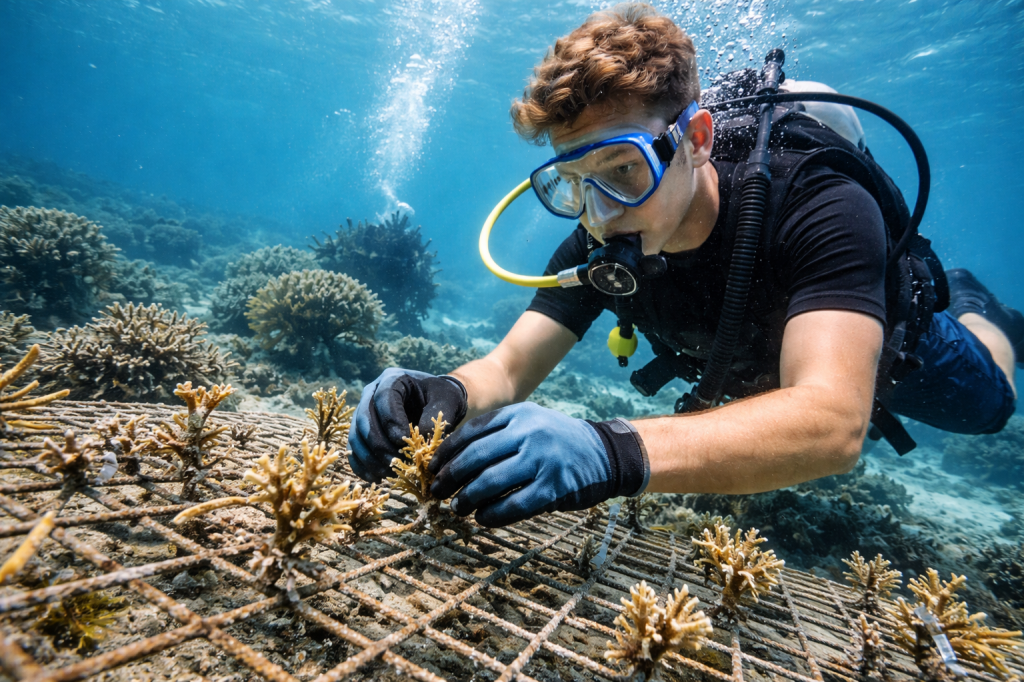
- Reef restoration (SCUBA certification needed)
- Fisheries management
🌳 Forest & Biodiversity Conservation
Includes: Rainforests, Cloud Forests, Savannahs, Shrublands, Reforestation Projects
Typical tasks:
- Tree planting and nursery work
- Monitoring of protected areas (ranger patrols & technology-driven)
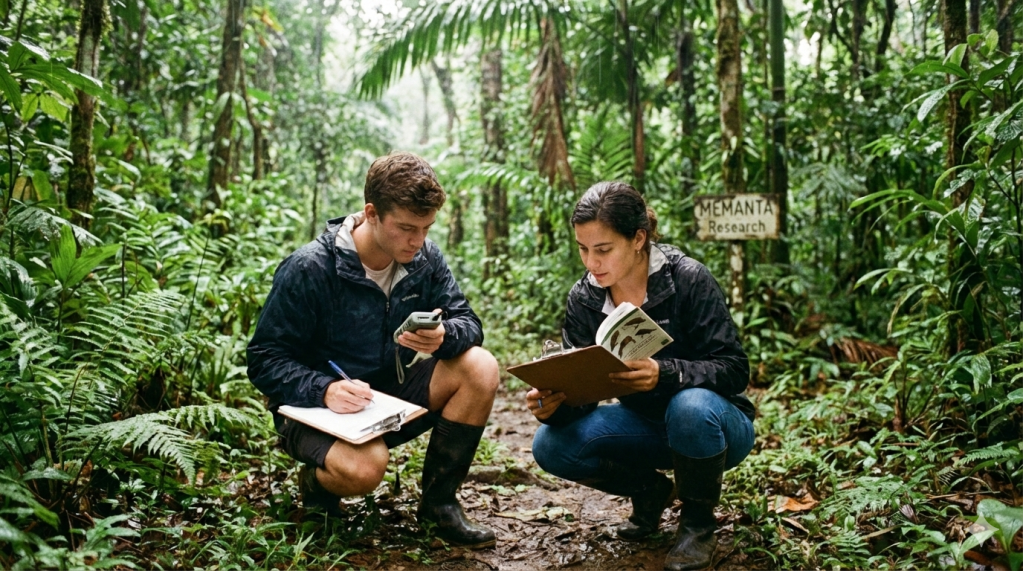
- Biodiversity surveys
- Habitat restoration
- Invasive species removal
- Land-use planning (ecological corridors, sustainable agriculture etc.)
🐘 Wildlife & Species Conservation
Includes: Mammals, Birds, Reptiles, Endangered Species
Typical tasks:
- Direct rescue efforts / rehabilitation and release
- Population monitoring
- Wildlife tracking, tagging and ringing
- Camera trap analysis and photo identification
- Anti-poaching campaigns
- Human–wildlife conflict mitigation
♻️ Waste Management & Environmental Sustainability
Includes: Plastic Reduction, Renewable Energies, Sustainable Resource Use
Typical tasks:
- Community workshops and awareness campaigns
- Beach and river clean-ups
- Reusable product systems design
- Upcycling and recycling solutions
- Installation of solar panels, biogas systems, or wind systems
- Organic gardening, rainwater harvesting, composting, permaculture
🔬 Research & Data-Focused Internships
Includes: Laboratory Work, Monitoring Programs
Typical tasks:
- Capture-release programs
- Data collection and entry
- GIS mapping
- DNA samples
- Statistics, report writing, publications
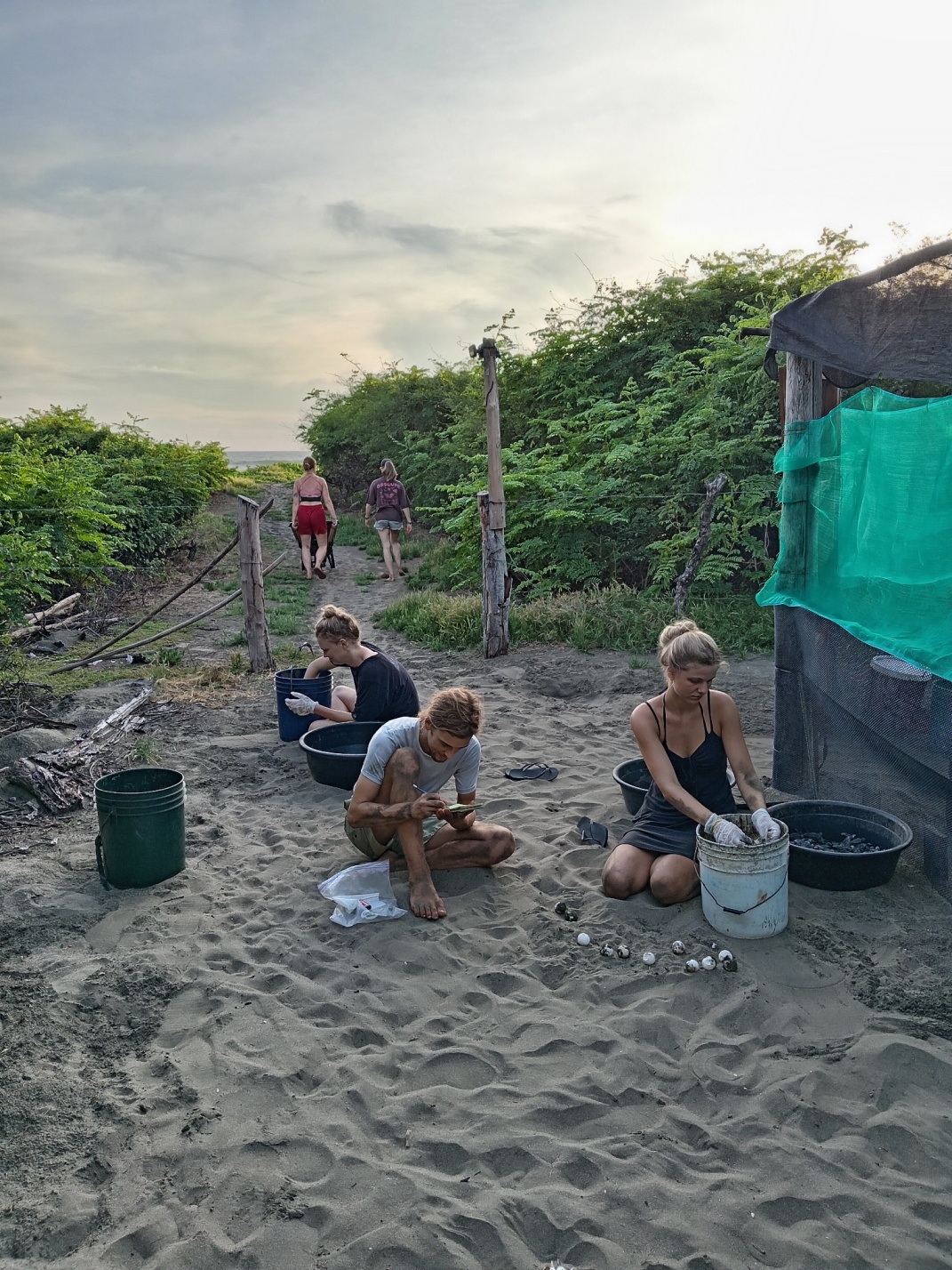
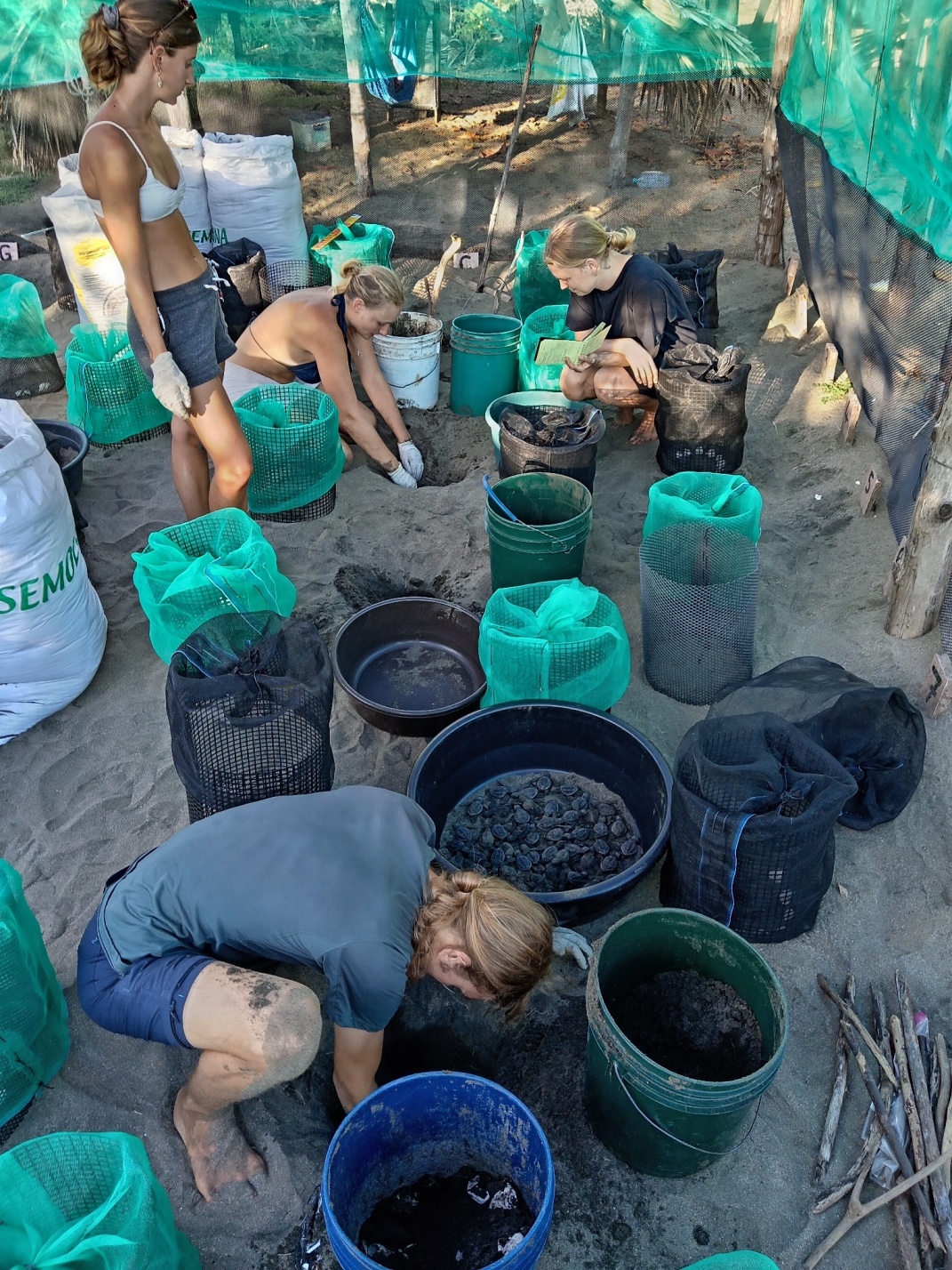
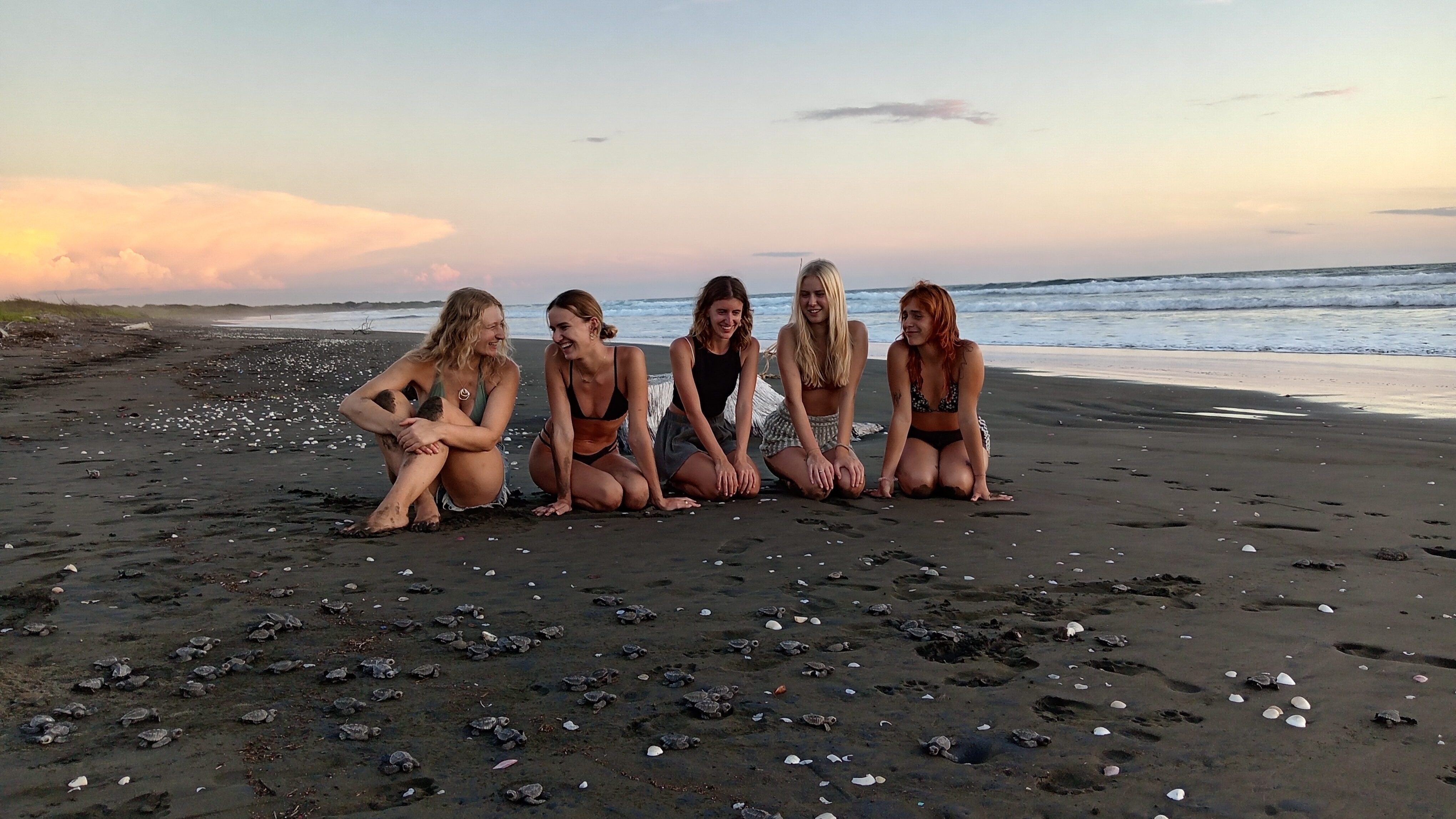
| At MEMANTA, we work primarily with sea turtles and follow a hands-on approach as we relocate nests to our hatchery in an effort to reduce poaching. During the sea turtle high season (August – December) we carry out nightly beach patrols and monitor our hatchery. Community outreach and the collaboration with poachers are a big part of our work. We also collect data which results in some interesting statistics at the end of every season. Whenever we have enough capacity to do so, but especially in the months with lower sea turtle activity, we add exciting tasks to the work schedule like gardening, DIY, building, waste management, community outreach, content creation and so on. |

Costs: Paid Internships vs. Pay-to-Work
Getting paid for saving the world… an utopia?
Let’s be real: A paid internship at an environmental organization abroad is an unreachable dream to most. I mean – yes, there are some offers out there, especially in Europe, the US and Oceania. But they are mostly targeted at already experienced individuals, post graduates or alumni. You will need to go through a formal application process and as you do so, you face lots of competition from aspiring conservationists from across the globe, as those positions are highly desired. You also need to commit for at least 3 to 6 months, sometimes even for longer.
Then there are some organizations that will give a small monthly stipend or allowance, but only to people they already know and trust. In this case, the positions might be exclusively offered to former participants. So you need to have made some connections already and left a stellar impression.
Helping out physically and financially… a reality
In fact, many conservation internships in developing countries rely on a pay-to-work model, which is a confusing term. Because it’s not that you pay to be allowed to work, but rather pay a contribution to cover the expenses for on-site accommodation, food, leisure activities and provided services.
This is mostly the case when the conservation projects have no regular funding or reliable income source and base their whole operation on volunteer engagement, donations and private contributions.
Also, those internships are open to people with no previous experience, so there is a lot of training, teaching and supervising involved while you’re handling wild animals and dealing with critical, sensitive ecosystems.
Typical costs for conservation internships abroad range from USD 150–500 per week. The costs vary greatly depending on the country, infrastructure, type of work and level of service. Typically, the project takes care of your accommodation, alimentation and well-being. Flights, in-country transportation, visas, travel & health insurance are usually not included.
The most costly internships involve
a) regular dives or boat rides, for example reef restoration, shark protection and marine mammal conservation.
b) placements on remote tropical islands with protected status, or other places that are hard to get to
c) any kind of wildlife work in African game reserves or wildlife ranches, where you’ll be directly in touch with elephants, lions etc.
Sea turtle conservation is usually quite cost-effective, but make sure to be directly in touch with the host project and don’t book a seemingly fancy internship via an intermediary, because those big volunteer travel companies simply double the price.
| At MEMANTA, interns pay 200 USD a week for their comfort and peace of mind. We are convinced of our pay-to-work model because a) we fund ourselves, so we cannot give accommodation, food and edutainment for free b) our interns come here to learn and get experience, not to provide professional labour c) we are in a remote location with no touristic infrastructure, so we handle all the logistics d) we invest effort, time and money to take care of our interns |
In addition to the fee-based internships, some “wealthier” organizations offer long-term positions that are unpaid, which means you get free room and board but no payment whatsoever. These can be a great fit for you when you can’t afford to pay a lot of money for your career development. But be aware that
a) those positions sometimes aim to replace local workforce,
b) you can’t except any additional service from your host project.
How to Choose the Right Conservation Internship
You need to match the project type to your goals. When choosing your internship, consider the following questions:
- Do you want hands-on fieldwork or research experience?
- Are you aiming for an academic career, NGO work, or practical conservation?
- Do you prefer structured supervision or high responsibility?
Besides knowing what you want, it is crucial to find out what the internship is all about:
- Is the project led by locals, by a foreign team or by a bigger organization?
- Where does the internship fee go?
- Will you receive training and supervision?
- Which kind of tasks will you fulfill and do these contribute directly or indirectly to the conservation goals?
- Is there transparency about the impact and the results of your work?
- Will there be a certificate or letter of recommendation issued afterwards?
- (Does this internship meet the official requirements in order to get university credit?)
🚩 Red Flags to Watch Out For
- Guaranteed interaction with wild animals (e.g. when they are held captive for no reason)
- Very short internships claiming “huge impact”, websites using over-the-top promotion language
- Vague task descriptions like “help the local flora & fauna”, “contribute to sustainability goals” or “experience hands-on conservation” → you might end up raking pathways, weeding gardens and painting signs
- High fees for internships in low-cost-countries with no clear explanation of how fees are used
Also: Watch out for projects that mainly host volunteers but offer internships as a tool to reach a broader audience. Sometimes so-called “internships” are just longer volunteering stays with no specific training or learning curve included (believe me: I have done those and some former MEMANTA interns as well!)
My best suggestion is to NOT book an internship via a volunteer travel organzation that simply acts as a middleman, but directly with the project via their website or e-mail. It is crucial to be in touch with the team on-site before-hand so you can be sure that
a) you will have a trustworthy contact person,
b) it is not volunteering labeled as an academic internship.
| Why sea turtle internships are perfect for aspiring conservationists: – direct help to the well-being of threatened species – collaboration with local communities and tourism stakeholders – data collection and research using basic field methods – outreach and media, as sea turtles are a flagship species – can benefit other species or ecosystems (beachfront forests, mangroves, dunes…) – adaptation to challenging living conditions and flexible work schedules – beach vacation included in your free time |
Is a Conservation Internship Abroad Worth It?
Travelling to another country and dedicating your time to the cause of conservation can be life-changing if you choose the right program. The key is aligning your expectations with reality:
- Conservation work can be physically demanding (e.g. patrolling beaches or forests, lifting heavy weight…)
- The work might happen during night-time hours and take place in challenging weather
- Living conditions may be basic (no electricity, WiFi, running water, privacy…)
- Projects can be in remote areas with barely any infrastructure or access to civilization
- Impact often happens slowly, so you might not directly see the fruits of your work
- There could be zero interactions with or sightings of wild animals, even in a project for protecting such wildlife
- You could witness setbacks, failures and tragedies, challenging your emotional strength
A conservation internship abroad is not always instagram-worthy as you might get sweaty, sandy or dirty, feel muscle ache, be tired or exhausted, and never get a real shot of the animal you have come for. But in return, you gain real-world experience, perspective, and purpose that few classroom environments can offer and no nature documentary will show.
In my opinion, a conservation internship abroad is totally worth it for the following reasons:
- Global perspective & cultural exchange
Working abroad exposes you to new ecosystems, different environments and local cultures – broadening your worldview and adaptability. - Networking & career opportunities
You’ll meet scientists, conservationists, and fellow interns from around the world, which can lead to future jobs or research collaborations. - Personal growth & adventure
Living and working in another country pushes you out of your comfort zone, builds resilience, and often turns into a life-changing experience. - Win-win for everyone involved
The host organization benefits from your contribution of time, skills, ideas and money. The local community benefits from your tourism revenues. And you benefit from the experience in a personal and professional way.
How to Find a Conservation Internship Abroad (4 Steps)
Finding a high-quality conservation internship in a foreign country takes time and research. Below is a practical, proven approach that helps you avoid unethical projects and connect directly with meaningful initiatives.
Step 1: Define What You’re Looking For
Before searching, be clear about:
- Your preferred work area (e.g. sea turtles, forests, research)
- Your availability (in months)
- Your budget (including fees, flights, insurance)
- Your experience level (beginner, former volunteer or professional background)
- Whether you need academic credit or certification
This clarity will immediately narrow down suitable projects.
Step 2: Get inspired on Internship & Volunteering Platforms
There are only few reputable websites that aggregate conservation internships worldwide. They are a good starting point, but bear in mind that
a) some platforms charge for every entry, which means that projects with a tight budget will choose to not publish their internship vacancies there
b) many of those general platforms are used by volunteer travel companies to promote their costly programs
My recommendations are to look here:
- For enrolled students and graduates:
University career portals, Career Center lists, bulletin boards of your department, student council announcements - For everyone:
Conservation Careers
Idealist.org
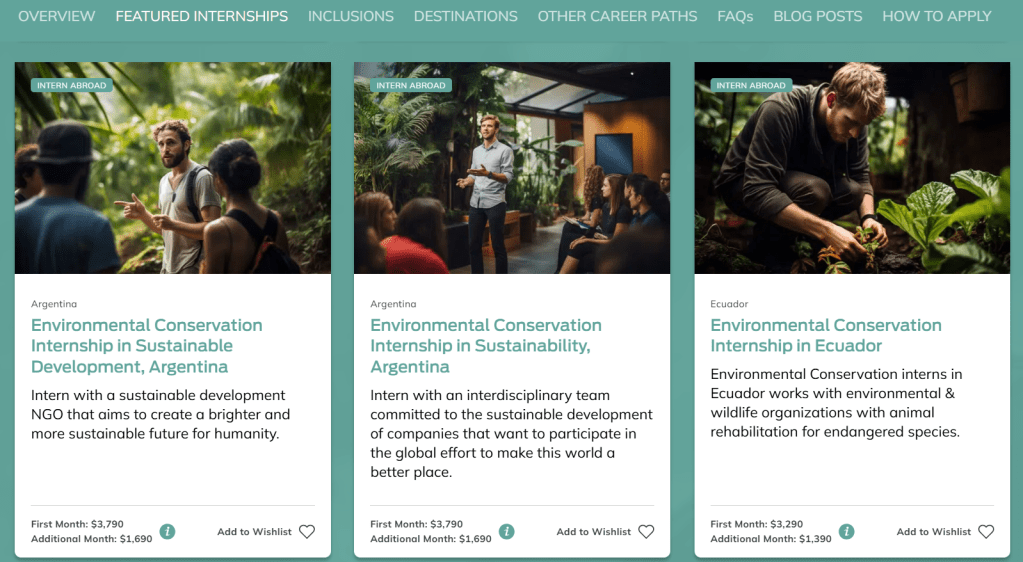
You can also have a look at websites like GVI.co.uk and Roots Interns. They are pricey but useful for discovery and inspiration.
Step 3: Search Beyond Platforms
Some of the most impactful conservation internships are not listed on the big websites.
Try:
- Specific Google searches:
- “sea turtle conservation internship Nicaragua”
- “wildlife rehabilitation center Central America”
→ then visit their websites
- ChatGPT lists:
- respectable NGOs in your preferred country where you can intern at
- the most impactful conservation initiatives that offer internships
- Eco-lodges or research stations with involvement programs
- Social media content:
- Look through Facebook groups, e.g. Marine Science Jobs, Wildlife Workers Network, Careers in Nature Conservation, and Marine Science & Conservation Careers Group
- Search for recent posts on TikTok and Instagram regarding internships in environmental fields
Small, locally run projects often recruit interns directly via their websites or their social media pages – just like MEMANTA does here.
Step 4: Evaluate the Project Carefully & Contact it
Before applying, check:
- Who runs the project
- What is offered / what is included in the fee
- Clear descriptions of intern tasks
→ is there a training period and what does a typical day look like? - Requirements (can you meet them?)
- Living conditions (can you cope with them?)
- Testimonials from former participants (blog posts or Google Reviews)
Once you’ve identified a suitable project, reach out directly via e-mail or their contact form. A good first message usually contains:
- A short personal introduction
- Your experience and professional background
- Your motivation and why you’re interested in this specific project
- Why you think you’re suited for the work
- Your availability (when and how long you want to participate)
- What you hope to learn and contribute
Some projects might have application deadlines and ask for a formal application including a motivation letter, a CV and three professional references. Before a final decision is made, they usually ask for an interview via videocall as well.
Conclusion about doing a Conservation Internship Abroad
Interning at an environmental organization in a foreign country is not about “saving the world in a few weeks.” It’s about making a small contribution to valuable long-term efforts while travelling responsibly, learning from local experts and gaining intercultural experience.
On your way to finding a well-suited internship program, there are many pitfalls like overprized volunteering marketed as internships or badly organized internships at malfunctioning projects. In the end, there is a considerable risk that a) you don’t enjoy your stay, b) don’t enhance your knowledge or improve your skills, c) pay way too much money.
To avoid that, you have to do more than just google “conservation internship abroad”. Find countries, work areas and specific projects that resonate with you, and look carefully at their credentials.
If you want to find a meaningful conservation experience at a local conservation project, I strongly recommend getting in touch directly with the team on-site, rather than booking via an international platform.
However, projects like Memanta in Nicaragua are difficult to spot, given the strong competition from big volunteer travel companies and their high marketing budgets, so it requires a little bit of searching and digging.
But hey, since you have found you way onto this blog post, you are nearly at the end of your search – at least if you like coastal ecosystems, turtles, remote destinations and authentic local villages (see our internship details here)! 😉
Choosing the right internship makes all the difference – because in the end, it’s all about training the next generation of conservationists and if those people that are concerned about our planet’s well-being are not properly supported and motivated, they will not come very far.

 MEMANTA